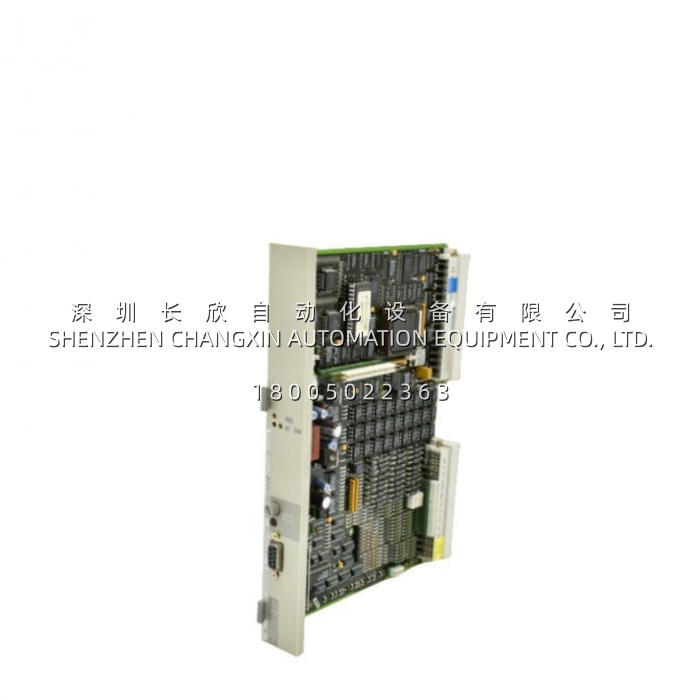
Application Scenarios
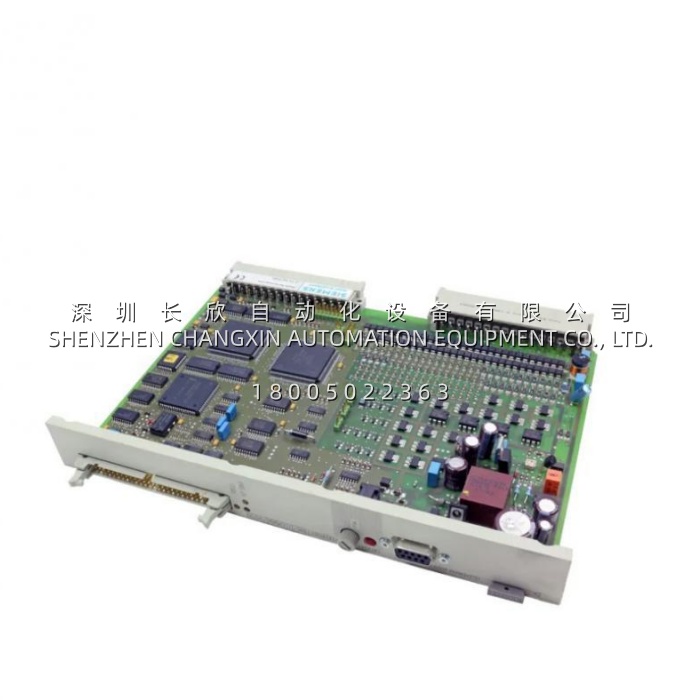
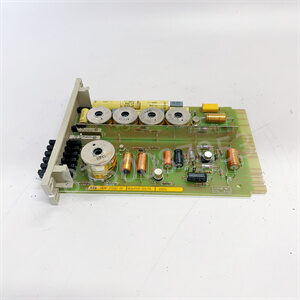
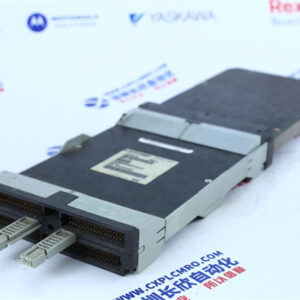
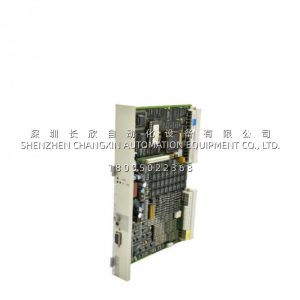
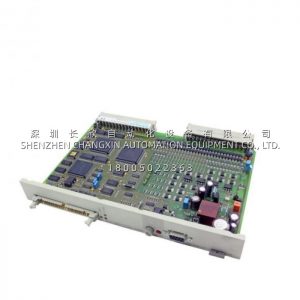
In a 2×600 MW coal-fired power plant in Eastern Europe, the original Teleperm M DCS had been running reliably for nearly 25 years, but the plant’s recent flue-gas desulfurization (FGD) retrofit demanded eight extra binary inputs for limestone slurry pump run-status feedback and twelve binary outputs for damper actuator commands. Rather than ripping out the entire DCS—a prohibitively expensive move requiring weeks of outage—the engineering team slotted two Siemens 6DS1719-8RR modules into spare slots of the existing AS235 racks. Because the 6DS1719-8RR speaks native Teleperm backplane protocol and supports Profibus DP coupling via the rack’s interface modules, the new FGD skid was online within a single weekend shift. The plant DCS engineer later noted that the 6DS1719-8RR “behaved exactly like the original 1998-vintage modules—same LED patterns, same diagnostics, zero learning curve.” For facilities still running Teleperm M or ME hardware, this kind of drop-in binary expansion is often the difference between a controlled three-day upgrade and an unplanned multi-week overhaul.
h2 Parameter
| Main Parameters | Value/Description |
|---|---|
| Product Model | 6DS1719-8RR |
| Manufacturer | Siemens AG |
| Product Category | Binary (Digital) Expansion Module |
| System Compatibility | Teleperm M / Teleperm ME (AS230, AS235, AS231 racks) |
| Binary I/O Count | 16 channels (configurable DI/DO mix per rack variant) |
| Rated Voltage | 24 V DC (backplane-powered, field-side isolated) |
| Communication Interface | Teleperm internal bus + Profibus DP (via rack coupler) |
| Operating Temperature | –20 °C to +60 °C |
| Storage Temperature | –40 °C to +85 °C |
| Mounting Method | Panel / rack slot mounting (Teleperm standard 19″ subrack) |
| Diagnostics | Per-channel status LEDs + rack-level diagnostic telegram |
| Weight (approx.) | 0.3–0.5 kg |
h2 Technical Principles and Innovative Values
Innovation Point 1: Native Teleperm Backplane Integration. Unlike generic digital I/O cards that require gateway translators, the 6DS1719-8RR plugs directly into the Teleperm M/ME rack backplane and is auto-enumerated by the AS230/235 CPU. This eliminates protocol conversion latency and preserves the sub-millisecond scan determinism that process safety loops demand.
Innovation Point 2: Channel-Level Diagnostics Without Software Overhead. Each binary channel on the 6DS1719-8RR has an associated LED and drives a diagnostic bit into the Teleperm process image. Maintenance staff can identify a broken field wire or shorted solenoid from the rack door without logging into the engineering station—critical during night-shift troubleshooting.
Innovation Point 3: Retrofit-Friendly Footprint. The 6DS1719-8RR retains the mechanical envelope of earlier 6DS171x siblings, meaning cabinets wired in the 1990s don’t need new cutouts or DIN rail rearrangements. For asset managers extending plant life to 40+ years, this mechanical continuity protects the original CAPEX investment.
h2 Application Cases and Industry Value
A cement plant in Southeast Asia operating two dry-process kilns on Teleperm ME faced frequent nuisance trips on their clinker cooler grate drive—each trip cost roughly 45 minutes of lost production and strained the refractory. Root-cause analysis pointed to insufficient binary monitoring points: the original I/O count couldn’t accommodate the additional proximity switches and motor-thermostat contacts the OEM recommended post-upgrade. By adding three Siemens 6DS1719-8RR modules to the existing AS235 racks, the plant gained 48 extra binary inputs, allowing every grate-plate motor to report run status, overtemperature, and local/remote selector position individually. Post-retrofit, spurious trips dropped to zero over a six-month window, and the plant estimated a payback on the module purchase in under three weeks of avoided downtime. The 6DS1719-8RR thus delivered value not through “new” technology, but through faithful, low-friction expansion of a proven control architecture.
h2 Related Product Combination Solutions
Building a complete Teleperm M/ME I/O cluster around the 6DS1719-8RR typically involves these sibling modules:
- Siemens 6DS1717-8RR: The closest sibling—binary expansion with an alternate channel-count variant, often paired with the 6DS1719-8RR when a rack needs mixed DI/DO splits.
- Siemens 6DS1111-8AA: Central control processor (AS230/231 CPU) that hosts the 6DS1719-8RR on the same backplane.
- Siemens 6DS1322-8BA: I/O coupler for Teleperm ME, bridging the 6DS1719-8RR rack to higher-level buses or remote I/O drops.
- Siemens 6DS1000-8AA: Rack power supply module—every Teleperm subrack with a 6DS1719-8RR needs clean 5 V / 24 V rails from this family.
- Siemens 6DS1703-8RR: Analog input expansion module from the same 6DS17xx generation, often mounted adjacent to the 6DS1719-8RR in mixed-signal applications.
- Siemens 6DP1210-8BB (FUM210): Teleperm XP binary module—useful when migrating partially from Teleperm M toward XP while keeping the 6DS1719-8RR in service on the legacy side.