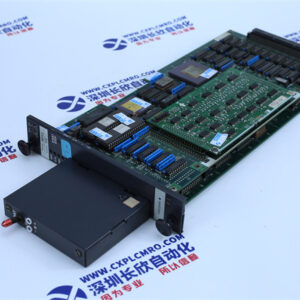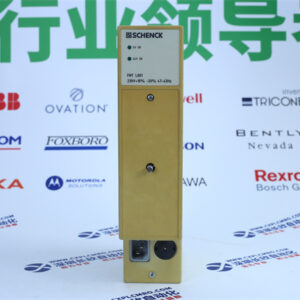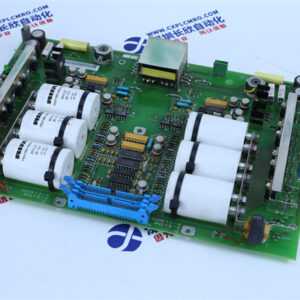
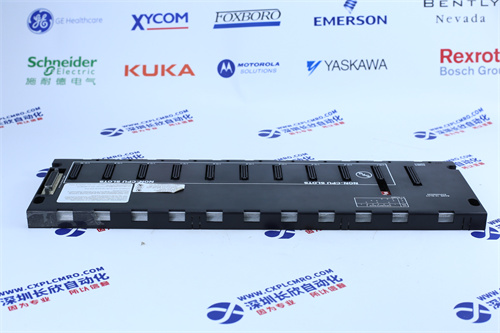
DSMB-02C
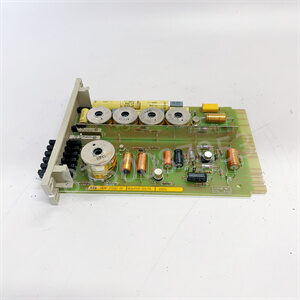
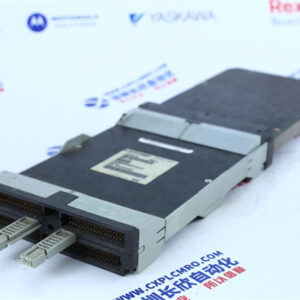
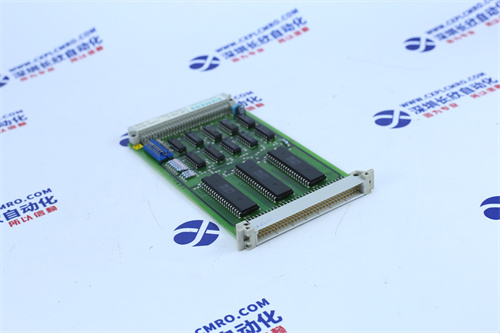
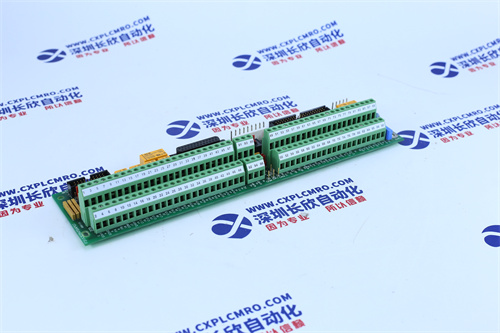
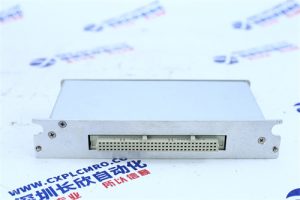
Beckhoff EtherCAT Series 2-Axis Distributed Servo Drive Controller Module (Model: DSMB-02C)
(Model Naming Interpretation:
- DSM: Core product line prefix for Beckhoff’s “Distributed Servo Motor” controllers, denoting compatibility with EtherCAT industrial Ethernet and distributed motion control architectures (distinguishing from centralized drive systems).
- B: Functional variant suffix; “B” indicates a compact, bus-mounted form factor optimized for integration into Beckhoff’s IP20-rated terminal blocks (e.g., BK3150) or machine cabinets, reducing installation space.
- 02C: Hardware configuration code; “02” specifies 2 independent servo axes (supporting simultaneous motion control), “C” denotes enhanced current capability (up to 10 A continuous per axis) and compliance with IEC 61800-5-1 (adjustable speed drive safety standards).
- Core Positioning: The “compact 2-axis servo drive controller for EtherCAT,” enabling distributed, synchronized motion control of servo motors in space-constrained automated machinery—essential for achieving high precision and throughput in manufacturing and robotics. )
2. Product Description
The DSMB-02C is a dedicated 2-axis servo drive controller module developed by Beckhoff for the EtherCAT ecosystem, a cornerstone of real-time industrial automation. It integrates 2-axis servo drive functionality, EtherCAT communication, advanced motion control algorithms, and safety features to address three key challenges of modern motion control systems: