CC-IP0101 51410056-175
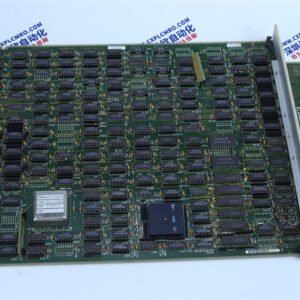
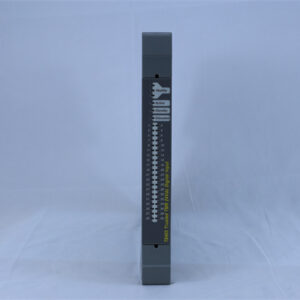
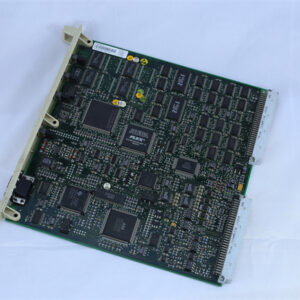
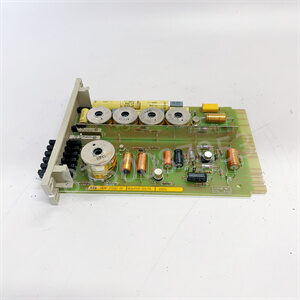
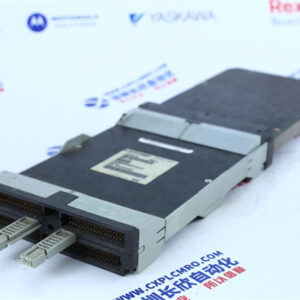
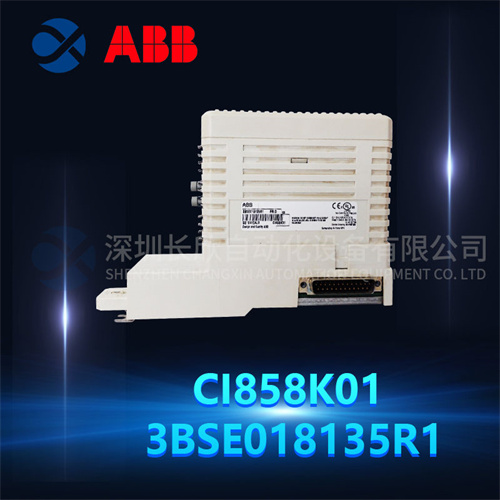
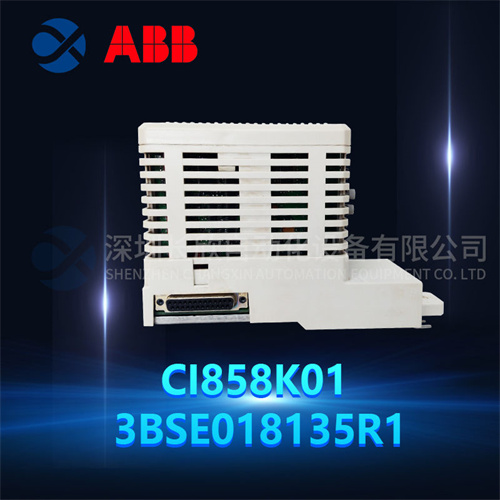
CC – IP0101 51410056 – 175 Gateway Module
Product Description
The CC – IP0101 51410056 – 175 is a high – performance gateway module, prominently serving as a pivotal component within industrial control and building automation systems. Manufactured by Honeywell, a renowned name in the field, this module is designed to address the complex requirements of seamless device connectivity and efficient data exchange.
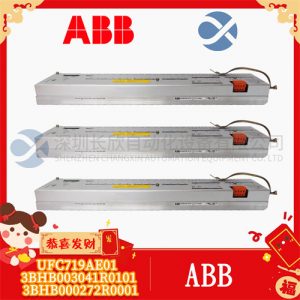
In industrial automation scenarios, such as manufacturing plants and process control facilities, it acts as a bridge between different network segments and protocols. For example, it can link field devices that communicate via Modbus RTU with a central control system that operates on an Ethernet/IP network. By converting data formats and communication protocols, it enables real – time data transmission between devices, ensuring smooth operation of the entire production line. In a chemical plant, it allows sensors measuring temperature, pressure, and flow rate (communicating via Modbus) to send data to the plant’s supervisory control and data acquisition (SCADA) system, which is based on Ethernet/IP, with a data transfer delay of less than 5 milliseconds.
In building automation systems, it plays a crucial role in integrating various subsystems. It can connect heating, ventilation, and air – conditioning (HVAC) systems, lighting controls, and security systems. For instance, it enables the HVAC system, which may use BACnet protocol, to communicate with the building management system (BMS) running on an IP – based network. This integration allows for centralized monitoring and control, optimizing energy consumption. In a large commercial building, the module can collect data from temperature sensors in each zone of the HVAC system and send it to the BMS. Based on this data, the BMS can adjust the operation of air handlers and chillers, reducing energy consumption by up to 15%.