-3-300x300.jpg)
-2-300x300.jpg)
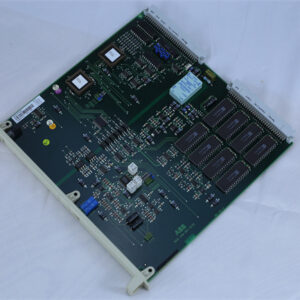
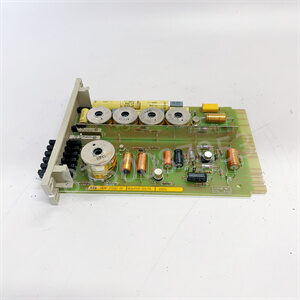
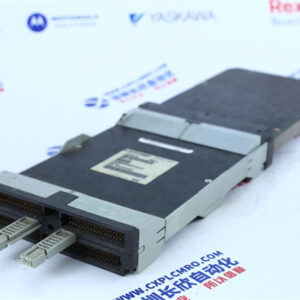
350022M BENTLY
In the entire PLC control system, the most prone location to faults is on site, and the site is most prone to faults in the following aspects.
1. The first type of fault point is also the location with the most faults) in relays and contactors
In the daily maintenance of a certain production line PLC control system, the largest consumption of electrical spare parts is various relays or air switches. In addition to the quality of the product itself, it is mainly due to the harsh on-site environment. For example, contactor contacts exposed to the production environment are prone to ignition or oxidation, gradually heating and deforming until they cannot be used. All on-site control boxes of this production line are made of cabinets with good sealing performance, and their internal components have a significantly longer service life compared to other components that use open cabinets. Therefore, to avoid such faults, high-performance relays should be selected as much as possible and the use environment of components should be improved to reduce the frequency of replacement and reduce the impact on system operation.
-3.jpg "350022M BENTLY")
The second type of fault is more common on equipment such as valves or gates
Because the relative displacement of the actuator of this type of equipment is relatively large; Alternatively, if the transmission structure is complex and the mechanical, electrical, hydraulic and other links are not in place, errors or malfunctions may occur. In long-term operation, if there is a lack of operation and maintenance, it is easy to cause jamming, blockage, leakage, and other phenomena of valve body components. Therefore, during system operation, it is necessary to strengthen the inspection of such equipment and promptly handle any problems found. Our factory has established a strict inspection system for such equipment, regularly checking whether the valve is deformed, whether the actuator is flexible and usable, and whether the controller is effective, which effectively ensures the effectiveness of the entire control system.
-2.jpg "350022M BENTLY1")
The third type of fault point may occur on some components or equipment in switches, extreme positions, safety protection, and on-site operations
The reason may be due to long-term wear and tear, or it may be due to corrosion and aging after long-term use. If the cloth walking cart on the kiln tail ball storage tank of the production line moves frequently back and forth, and there is a large amount of dust on site, deformation, oxidation, dust blockage, etc. occur near the switch contacts, resulting in poor contact of the contacts or insensitive mechanism action. The handling of such equipment failures mainly manifests in regular maintenance to keep the equipment in good condition at all times. For limit switches, especially those on heavy equipment, in addition to regular maintenance, multiple protective measures should also be added during the design process.

The fourth type of fault point may occur in the sub equipment of the PLC system
This type of equipment, such as junction boxes, wire terminals, bolts and nuts, etc. The causes of such failures are not only related to the manufacturing process of the equipment itself, but also to the installation process. Some people believe that the tighter the wire and screw connections are, the better. However, during secondary maintenance, it is easy to cause difficulty in disassembly, and during heavy disassembly, it is easy to cause damage to the connecting parts and their nearby components. Long term sparking, rusting, etc. are also the causes of the malfunction. Based on engineering experience, such faults are generally difficult to detect and repair. So in the installation and maintenance of equipment, it is necessary to follow the installation process as required, without leaving any potential equipment hazards