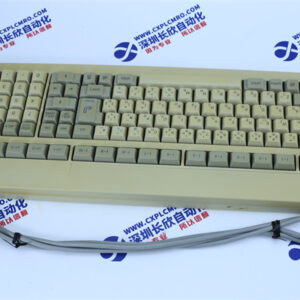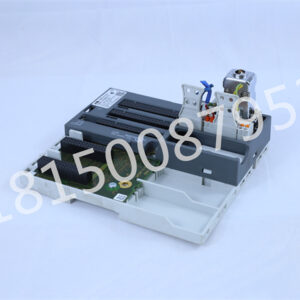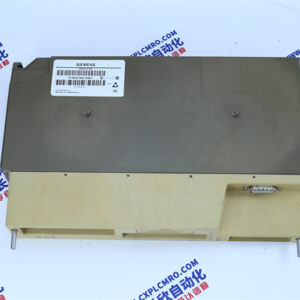
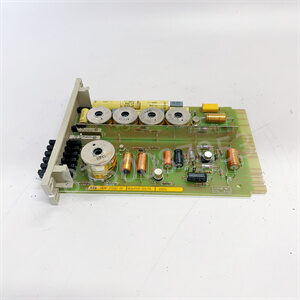
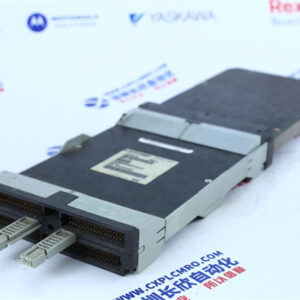
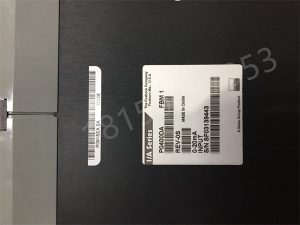
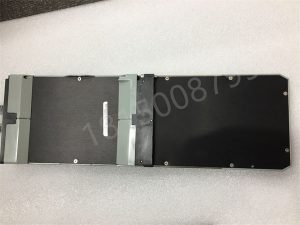
FBM01 FOXBORO
According to the application and installation environment,the power supply can accept 120VAC or 24VDC.As mentioned above,this voltage provides power to the CPU and I/O modules through the backplane,which appear in the form of”cards”.These cards can be quickly added or removed from their slots in the carrier.
It should be noted that the power supply of the CPU does not supply power to on-site devices such as sensors and coils.This power connection must be established separately with the card.
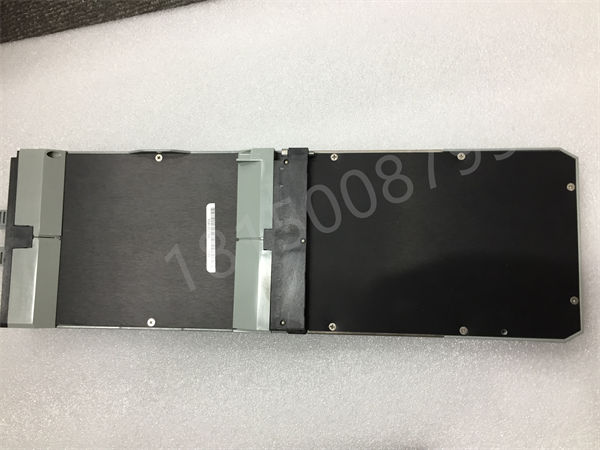
Central Processing Unit(CPU)
CPU is the actual”brain”of PLC,making it a computer.Even small non modular PLCs include a CPU.The input signal comes from the I/O card,and the logic program makes decisions based on the signal.If necessary,the CPU then commands the output to turn on and off as the signal and conditions change.
The program may include advanced functions such as mathematical operations,timing,counting,and sharing information through modern network protocols.For older relay systems,many of these operations are extremely difficult,if not impossible
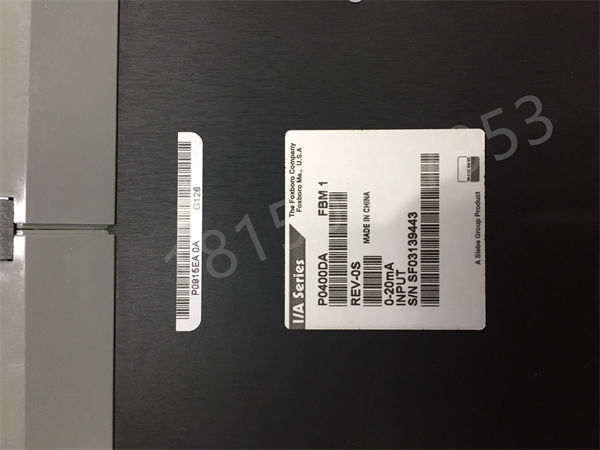
Input/output card
Sensors,buttons,switches,relays,solenoids,and even network devices share information with the I/O signals connected to the screw terminals on the I/O card.These cards can be selected according to the needs of each machine and facility.In some small PLCs,I/O terminals are not modular cards,but are conveniently installed on the side of the PLC.
Due to the wide variety of I/O device structures and discrete and analog modules,the terms for analog models include”source”and”sink”,”voltage”and”current”.

Programming equipment and human-machine interface
There are two very important components outside of the PLC itself:programming devices and human-machine interfaces(HMI).Programming devices can be desktop computers,laptops,or handheld instruments from the same manufacturer.Some small PLCs even have buttons on the front that can program very basic logical operations without the need for a computer.