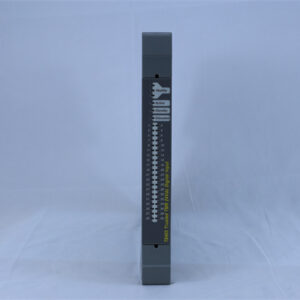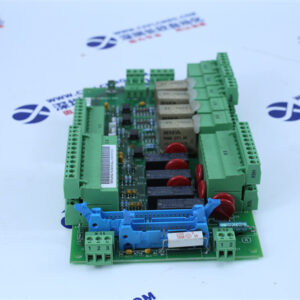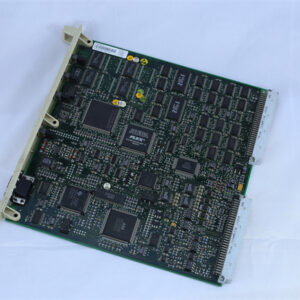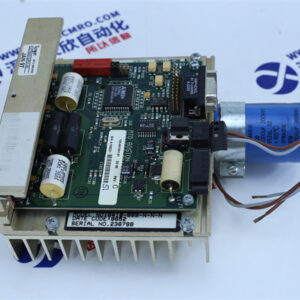
Technical Specifications
| Parameter Name | Parameter Value |
|---|---|
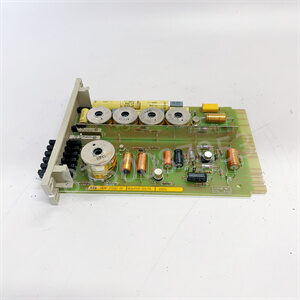
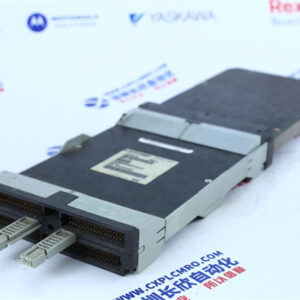
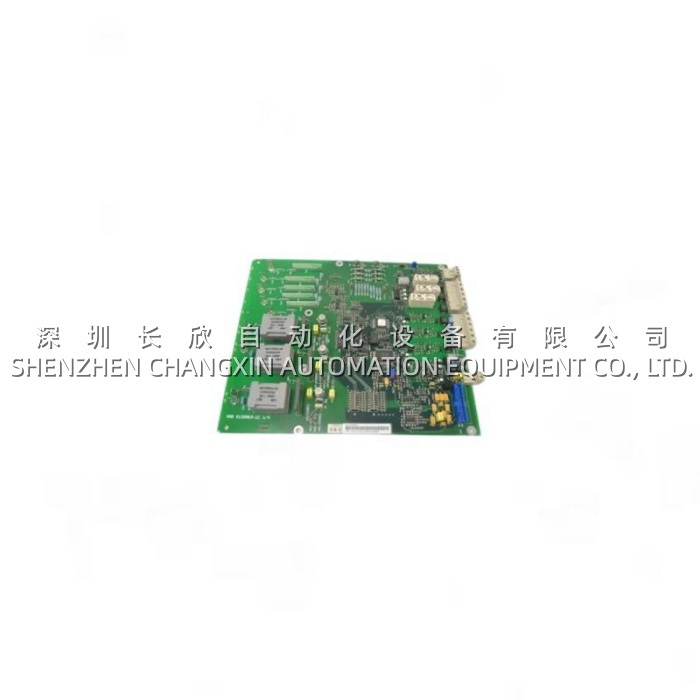
| Product Model | 3ADT220090R0010 (NDSC-01 COAT) |
| Manufacturer | ABB Robotics (ABB AB, Västerås / Shanghai) |
| Product Type | Robot Controller Control Board (DSQC family, NDSC series) |
| Compatible Controller | ABB IRC5 / S4C+ cabinet architectures (Single Cabinet Controller / Dual Cabinet) |
| Coating | Conformal coating (COAT suffix, polyurethane, per ABB harsh-environment spec) |
| Bus Interface | ABB robotics internal controller bus (main computer ↔ drive section) |
| Connector Type | Backplane gold-finger + onboard headers (per NDSC-01 mechanical) |
| Substrate | FR4. multi-layer PCB, SMT/THT hybrid |
| Operating Environment | Designed for paint-shop / foundry / offshore (harsh-duty rating per ABB COAT spec) |
| Storage Temp. | -40 °C to +85 °C (standard PCB storage) |
| ESD Handling | Required (DSQC board — standard robotics ESD protocol) |
| Mounting | Controller internal backplane / card cage (per IRC5/S4C+ cabinet layout) |
| Agency / Compliance | ABB Robotics DSQC specification, CE (controller-level), RoHS (post-2006 batches) |
| Related Article (non-COAT) | 3ADT220090R00xx (base NDSC-01. uncoated — cross-reference only) |
Main Features and Advantages
Conformal coating for harsh-robotics environments. The signature differentiator of ABB 3ADT220090R0010 versus its non-COAT sibling is the factory-applied polyurethane conformal coat over component bodies, solder joints, and traces. In paint-shop cells (IRB 5500/580 spray applicators, IRB 6640 with sealer guns), solvent and atomised paint accumulate on every surface over a 3-shift schedule; an uncoated PCB will develop dendritic creep between fine-pitch SMT leads within 18–30 months, manifesting as intermittent bus errors or controller NMI. The ABB 3ADT220090R0010 coating retards this dramatically—ABB quotes coated boards for the full design-life of the cell in Class III (harsh) robotics environments. For foundries (IRB 7600 Foundry Plus manipulating molten-aluminium dies), the coat also sheds fine silica/metal particulate that would otherwise bridge SMD resistor arrays.
DSQC family interchange and controller integration. The ABB 3ADT220090R0010 seats into the NDSC-designated slot of the IRC5/S4C+ controller backplane and enumerates on the internal robotics bus without jumper or DIP change—the board’s EEPROM carries the NDSC-01 identity that the main computer’s BIOS/ROS expects. This means a swap is plug-and-play for a service tech carrying a spare: power down the cabinet per LOTO, extract the old NDSC-01. seat ABB 3ADT220090R0010, restore—controller boots, runs the bus-self-test, and re-enters RAPID execution. No software download, no telegram re-map, no safety re-validation (provided the cabin door/touch guard loop is intact). In automotive bodyshop where a 60-second takt means a downed IRB 6640 costs £200–£500/minute, this swap speed matters.
Gold-finger and backplane hygiene. Like all DSQC boards, ABB 3ADT220090R0010 uses gold-finger edge connector plating rated for the 500+ insertion cycle typical of a robot cabinet’s 15-year service life. The FR4 substrate is selected for the thermal profile of a robot cabinet (drive modules dumping heat, cabinet ambient 35–45 °C in summer paint shops), and the SMT placement is to ABB Robotics’ Västerås/Shanghai QC standard—important because a cold-solder joint on a control-board bus transceiver manifests as “ghost” axis-following errors that take hours to trace. For plants that have seen counterfeit DSQC boards enter via grey-channel (cheap gold flash, substituted electrolytics), the ABB 3ADT220090R0010 genuine article is the defence—traceable 3ADT number, ABB label, correct coat thickness.
Storeroom SKU simplification via COAT-standardising. Many MRO buyers adopt a policy: “all robotics spares COAT, regardless of cell.” The price delta between ABB 3ADT220090R0010 (COAT) and the uncoated NDSC-01 sibling is typically <10 %, but the COAT version survives paint/foundry/offshore while the uncoated version doesn’t. Standardising on ABB 3ADT220090R0010 across clean cells (general machining robots, palletising IRB 4600) and harsh cells alike collapses the storeroom matrix from 2 SKUs → 1. and guarantees the spare pulled from the rack is always environment-rated for wherever the breakdown happened. This is a quiet but widely adopted ABB Robotics MRO practice in tier-1 automotive plants.
Legacy lifecycle and sparing reality. With IRC5 now in the mature-to-legacy phase (ABB pushing OmniCore for new cells, but IRC5 still ~60–70 % of the installed base worldwide), ABB 3ADT220090R0010 sits in the “available but tightening” band of ABB’s robotics spare ladder. New-old-stock from ABB channel still flows, but lead times have stretched; secondary market tested-pulls (removed from decommissioned S4C+/early-IRC5 cabinets, visually inspected, functionally cycled) fill the gap. For plants with 20–50 IRB 6640/7600/6700 on IRC5. holding 1 cold-spare ABB 3ADT220090R0010 per 10–12 deployed cabinets is the recommended ratio—cheaper than one shift-loss event.