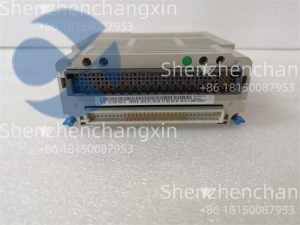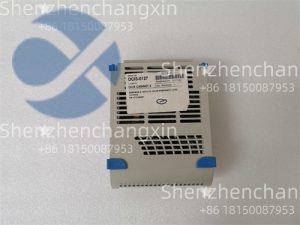
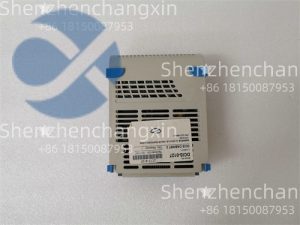
Westinghouse 7381A10G03 – Obsolete but Supported Analog I/O for Legacy DCS Systems
Introduction: The Enduring Legacy of Westinghouse 7381A10G03 in Industrial Automation
In the rapidly evolving landscape of industrial automation, legacy systems often find themselves caught between obsolescence and necessity. The Westinghouse 7381A10G03 analog input/output module stands as a testament to this paradox – a component that is officially obsolete yet remains actively supported in many legacy distributed control systems (DCS). This article explores the technical specifications, real-world applications, and ongoing support for this module, providing insights for engineers and maintenance professionals working with aging industrial infrastructure.
Understanding the Westinghouse 7381A10G03 Module
Technical Specifications and Design Philosophy
The Westinghouse 7381A10G03 was designed as a high-performance analog I/O module for industrial control applications. Key specifications include:
Analog Input Channels: 16-bit resolution with configurable voltage or current inputs
Isolation: 1500Vrms isolation between field and logic sides
Environmental Ratings: Designed for operation in -40°C to +85°C environments
Compatibility: Integrated with Westinghouse WDPF (Weapons Data Processing Facility) architecture
Originally developed for nuclear power applications, the module’s design emphasized reliability and fault tolerance, incorporating redundant power supplies and extensive diagnostic capabilities. These features made it particularly well-suited for critical infrastructure where failure could have severe consequences.
Why Obsolete Doesn’t Mean Unusable
While officially classified as end-of-life by the manufacturer, the 7381A10G03 continues to function in numerous industrial facilities worldwide. This persistence stems from several factors:
Longevity of Industrial Systems: Many DCS installations have lifespans exceeding 30 years
High Cost of System Upgrades: Complete DCS replacement can cost millions
Proven Reliability: Field experience demonstrates consistent performance
Niche Applications: Certain industries have unique requirements that modern alternatives don’t fully address
Real-World Applications: Where the 7381A10G03 Still Shines
Case Study: Nuclear Power Plant Instrumentation
At a major nuclear facility in the southeastern United States, the 7381A10G03 continues to play a critical role in monitoring reactor coolant system parameters. Plant engineers report:
“Our Westinghouse WDPF system with 7381A10G03 modules has been in service for over 25 years with minimal downtime”
“The isolation characteristics provide excellent protection against ground loops”
“We’ve developed custom calibration procedures to maintain accuracy over time”
Chemical Processing Plant Experience
A large chemical manufacturer in Texas maintains several 7381A10G03 modules for legacy temperature monitoring loops. Their maintenance team notes:
“The module’s wide temperature range makes it ideal for our outdoor instrumentation”
“We’ve implemented predictive maintenance using the module’s diagnostic features”
“Spare parts availability through third-party suppliers has been adequate”
Ongoing Support Options for Legacy Systems
Manufacturer Support Transition
While Westinghouse (now part of Emerson Process Management) no longer offers direct support for this specific module, several support options exist:
Third-Party Maintenance Providers: Specialized firms offer repair services and calibration
Factory-Sealed Surplus Units: New-old-stock inventory available from authorized distributors
Custom Firmware Updates: Some providers offer limited functionality enhancements
Documentation Preservation: Technical manuals remain available through industry archives
Best Practices for Maintaining Obsolete Components
Industry experts recommend several strategies for extending the life of legacy components:
Preventive Maintenance Schedule: Regular calibration and environmental checks
Spare Parts Inventory Management: Strategic stocking of critical components
System Redundancy Design: Implementing backup modules in critical applications
Documentation Updates: Maintaining accurate as-built documentation
The Future of Legacy Analog I/O in Modern Systems
Migration Strategies for Aging Infrastructure
For facilities still relying on the 7381A10G03. several migration paths exist:
Hybrid System Approach: Integrating modern I/O with legacy components
Gateway Solutions: Using protocol converters to bridge old and new systems
Phased Upgrades: Gradually replacing modules while maintaining system functionality
Complete System Replacement: For facilities with critical modernization needs
Industry Perspectives on Legacy System Management
A survey of industrial automation professionals revealed:
62% believe legacy systems should be maintained until end-of-life
28% advocate for immediate replacement when components become obsolete
10% support continued operation beyond official end-of-life with enhanced maintenance
Conclusion: The Value of Preserving Industrial Heritage
The Westinghouse 7381A10G03 module exemplifies the challenges and opportunities presented by legacy industrial technology. While officially obsolete, its continued use in critical applications demonstrates the value of well-designed industrial equipment and the importance of thoughtful system lifecycle management.
For engineers working with legacy systems, the key takeaways include:
Obsolete status doesn’t equate to unusable – Many legacy components continue to perform reliably
Proactive maintenance extends lifespan – Regular calibration and environmental monitoring are crucial
Migration planning should start early – Waiting until failure occurs can lead to costly downtime
Documentation preservation is essential – Maintaining accurate records facilitates troubleshooting and future upgrades
As industrial automation continues to evolve, the lessons learned from maintaining systems like those using the Westinghouse 7381A10G03 will remain valuable for engineers tasked with bridging the gap between legacy technology and modern innovation.