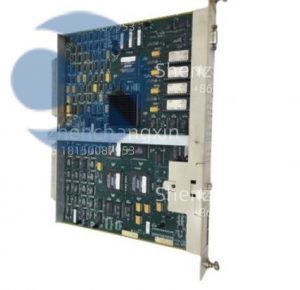
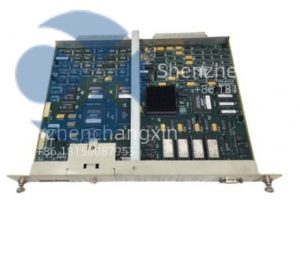
Westinghouse 4256A84G02 Vibration Monitoring Module: A Comprehensive Guide for Industrial Applications
Introduction to Vibration Monitoring in Industrial Settings
Vibration monitoring has become an indispensable tool in modern industrial maintenance programs. Among the leading solutions in this field, the Westinghouse 4256A84G02 Vibration Monitoring Module stands out as a reliable choice for critical machinery protection. This advanced module plays a crucial role in preventing catastrophic failures by providing early detection of mechanical issues in rotating equipment.
The Westinghouse 4256A84G02 is part of a sophisticated system designed to monitor vibration levels in various industrial applications, particularly in power generation and large-scale manufacturing facilities. Its integration into comprehensive monitoring systems helps operators maintain optimal equipment performance while minimizing unplanned downtime.
Technical Specifications and Features
Core Components and Design
The Westinghouse 4256A84G02 module features a robust design with multiple input channels specifically configured for vibration monitoring. Each channel is equipped with dedicated circuitry for signal conditioning, ensuring accurate measurement of vibration parameters. The module’s architecture includes:
Analog Input Channels: Designed to accept vibration signals from accelerometers or velocity sensors
Signal Conditioning Circuits: Provide filtering, amplification, and isolation of input signals
Digital Processing Unit: Performs real-time analysis of vibration data
Communication Interface: Allows integration with larger control systems
Key Performance Characteristics
Measurement Parameters: Velocity (mm/s or inches/sec), acceleration (g), and displacement (mils)
Frequency Range: Typically covers 5-1000 Hz for most industrial applications
Accuracy: ±1% of full scale across the measurement range
Sampling Rate: Configurable up to 10 kHz for detailed vibration analysis
Environmental Rating: Designed for operation in harsh industrial environments
Integration Capabilities
The module seamlessly integrates with Westinghouse’s WDPF (Westinghouse Distributed Processing Function) system architecture, allowing for comprehensive machinery protection. This integration enables:
Real-time data acquisition and analysis
Trend monitoring and historical data storage
Alarm generation based on user-defined thresholds
Communication with other protection modules for coordinated response
Practical Applications in Industry
Power Generation Sector
In power plants, the Westinghouse 4256A84G02 plays a vital role in monitoring critical rotating equipment such as:
Steam Turbines: Detecting bearing wear, shaft misalignment, and blade passing frequencies
Generators: Identifying electrical imbalances and mechanical looseness
Feedwater Pumps: Monitoring for cavitation and bearing failures
A case study from a Midwest power plant demonstrated how this module helped prevent a catastrophic failure in a 300 MW steam turbine. By detecting increasing vibration levels in the high-pressure turbine section, maintenance teams were able to schedule repairs during a planned outage rather than experiencing an unplanned shutdown.
Oil and Gas Industry Applications
In refinery and petrochemical applications, the module proves invaluable for:
Compressor Monitoring: Detecting surge conditions and bearing failures
Pump Protection: Identifying cavitation and mechanical looseness
Geared Machinery: Monitoring gear mesh frequencies and bearing conditions
Manufacturing and Heavy Industry
Large-scale manufacturing facilities utilize the module for:
Paper Mill Machines: Monitoring calender rolls and refiners
Steel Mill Equipment: Protecting rolling mill stands and finishing equipment
Chemical Processing: Ensuring reliable operation of mixers and agitators
Installation and Maintenance Best Practices
Proper Installation Techniques
Sensor Placement: Follow manufacturer guidelines for optimal measurement locations
Cabling Considerations: Use shielded cables and proper grounding techniques
Environmental Protection: Ensure adequate protection against moisture, dust, and temperature extremes
Maintenance Procedures
Calibration: Perform regular calibration checks using known vibration standards
Software Updates: Keep firmware up-to-date with the latest enhancements
Visual Inspections: Periodically check for physical damage or corrosion
Troubleshooting Common Issues
False Alarms: Verify sensor connections and check for electrical interference
Data inconsistencies: Validate sensor functionality and check wiring integrity
Communication failures: Test network connections and verify configuration settings
User Experiences and Industry Perspectives
Testimonials from Power Plants
“After implementing the Westinghouse vibration monitoring system, we’ve seen a significant reduction in our unplanned downtime. The 4256A84G02 module provides reliable data that our maintenance team can act on with confidence.” – Maintenance Manager, Southeast Power Plant
Expert Recommendations
Industry experts recommend:
Regular Training: Ensure staff are proficient in system operation and interpretation
Proactive Maintenance: Use vibration data to schedule maintenance before failures occur
System Integration: Connect vibration monitoring with other condition monitoring systems for comprehensive asset management
Future Trends in Vibration Monitoring
Industry 4.0 Integration
The Westinghouse 4256A84G02 is well-positioned for integration with Industry 4.0 initiatives. Its capabilities align with smart factory concepts, including:
Predictive Maintenance: Using vibration data to predict failures before they occur
Digital Twin Integration: Creating virtual models of physical assets for simulation and analysis
AI-powered Analytics: Implementing machine learning algorithms for vibration pattern recognition
Emerging Technologies
Wireless Sensor Networks: Eliminating wiring challenges in difficult-to-access locations
Edge Computing: Performing advanced analysis at the sensor level
Cloud-based Monitoring: Enabling remote access and centralized data storage
Conclusion
The Westinghouse 4256A84G02 Vibration Monitoring Module represents a sophisticated solution for industrial machinery protection. Its advanced features, reliable performance, and seamless integration capabilities make it a valuable asset for any facility with critical rotating equipment. By implementing this technology, industrial operators can significantly improve equipment reliability, reduce maintenance costs, and enhance overall operational efficiency. As Industry 4.0 continues to evolve, vibration monitoring systems like the Westinghouse 4256A84G02 will play an increasingly important role in smart manufacturing and predictive maintenance strategies.