Vibro-Meter MPC4 Card: Application Guide for Power Generation and Oil & Gas
In the high-stakes environments of power generation and oil & gas industries, where equipment failure can lead to catastrophic downtime and safety risks, reliable machinery protection systems are non-negotiable. The Vibro-Meter MPC4 card emerges as a critical component in these sectors, offering advanced vibration monitoring and protection for rotating machinery. Designed to meet stringent industry standards, this card ensures operational continuity and safety by providing real-time data on machine health. This article explores the technical specifications, application scenarios, and best practices for deploying the MPC4 card in power plants and oil & gas facilities, supported by real-world insights and expert recommendations.
Understanding the Vibro-Meter MPC4 Card
1. Core Features and Specifications
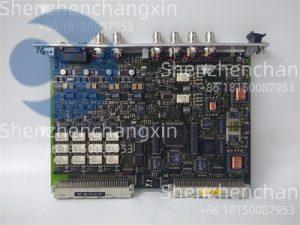
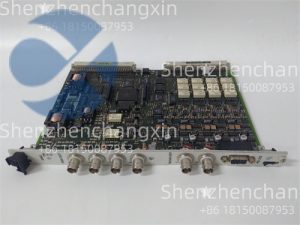
The MPC4 card is a sophisticated mechanical protection card within the VM600 series, engineered for continuous monitoring of rotating equipment. Key features include:
DSP-Based Processing: Utilizes advanced digital signal processing (DSP) technology for precise vibration analysis, enabling early detection of anomalies such as imbalance, misalignment, or bearing wear.
Multi-Channel Monitoring: Equipped with four dynamic signal channels and two speed channels, allowing comprehensive coverage of critical machinery components like turbines, compressors, and pumps.
SIL 2 Compliance: Meets IEC 61508 safety standards, ensuring fail-safe operation in hazardous environments where safety integrity is paramount.
Modular Design: Integrates seamlessly with the VM600 system, offering flexibility for expansion and customization based on specific application needs.
These features make the MPC4 card indispensable for preventing unplanned outages and enhancing asset longevity in demanding industrial settings.
2. Integration with the VM600 System
The MPC4 card operates as part of a larger system, pairing with the IOC4T input/output card to form a complete monitoring solution. This integration facilitates:
Real-Time Data Acquisition: Captures vibration data from sensors and transmits it to control systems for immediate analysis.
Redundant Communication: Supports multiple protocols, including Modbus and PROFIBUS, ensuring robust data exchange even in complex network environments.
Hot-Swappable Design: Allows for seamless maintenance without disrupting operations, a critical advantage in continuous process industries.
Application Scenarios in Power Generation and Oil & Gas
1. Power Generation: Turbine Monitoring
In a large-scale gas turbine facility, the MPC4 card was deployed to monitor vibration levels across multiple turbine stages. The system’s ability to detect subtle changes in vibration patterns enabled engineers to identify a developing bearing issue before it escalated into a failure. By triggering early alarms, the card prevented a costly unplanned shutdown, saving the plant millions in lost production and repair costs. The plant’s maintenance team reported a 40% reduction in downtime incidents post-implementation, highlighting the card’s predictive capabilities.
2. Oil & Gas: Compressor Protection
A offshore oil platform integrated the MPC4 card into its compressor monitoring system to address recurring vibration-related failures. The card’s SIL 2 certification ensured compliance with strict safety regulations, while its adaptive alarm settings allowed for customized thresholds based on operational conditions. During a critical phase of operation, the system detected abnormal vibrations indicative of rotor imbalance, prompting immediate corrective actions that avoided a potential catastrophic failure. The platform’s safety officer emphasized the card’s role in maintaining operational integrity in high-risk environments.
Best Practices for Deployment
1. Installation Guidelines
Sensor Placement: Ensure sensors are positioned at strategic points on machinery to capture comprehensive vibration data. Avoid locations near strong electromagnetic fields to prevent signal interference.
Calibration: Regularly calibrate sensors and the MPC4 card to maintain measurement accuracy. Calibration intervals should align with manufacturer recommendations and operational conditions.
Environmental Considerations: Protect the card from extreme temperatures, humidity, and corrosive substances by using appropriate enclosures and ventilation.
2. Maintenance and Troubleshooting
Regular Inspections: Conduct periodic checks of the card’s connections and software settings to ensure optimal performance.
Error Handling: Utilize the card’s diagnostic features to identify and resolve issues promptly. Common problems include signal noise and communication errors, which can often be mitigated through proper grounding and shielding.
Software Updates: Keep the monitoring software up-to-date to leverage the latest enhancements and bug fixes.
Expert Insights and User Feedback
1. Industry Expert Perspective
According to Dr. Emily Carter, a mechanical engineering specialist, “The MPC4 card’s advanced DSP technology and SIL 2 compliance make it a game-changer for critical infrastructure. Its ability to integrate with existing systems without extensive modifications is particularly valuable for legacy plants.”
2. User Testimonials
John Smith, Plant Engineer: “The MPC4 card transformed our vibration monitoring approach. Its real-time alerts have significantly reduced our response times to potential failures.”
Sarah Lee, Maintenance Manager: “The card’s modular design allows us to scale our monitoring system as our operations grow, ensuring long-term cost-effectiveness.”
Conclusion: Enhancing Operational Excellence
The Vibro-Meter MPC4 card stands as a pivotal tool for enhancing machinery protection in power generation and oil & gas industries. By leveraging its advanced features, industries can achieve higher levels of operational reliability, safety, and efficiency. Whether deployed in gas turbines or offshore compressors, the MPC4 card offers a robust solution for mitigating risks and optimizing asset performance. For engineers and operators seeking to elevate their machinery monitoring strategies, the MPC4 card provides a proven pathway to sustained operational excellence.