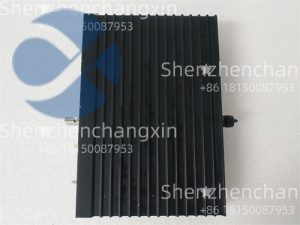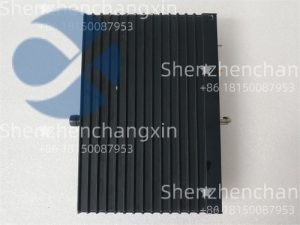
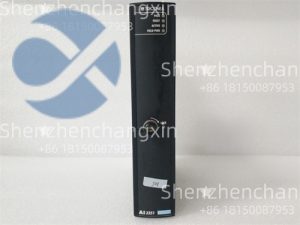
In industrial environments where safety and reliability are paramount, the TRICONEX 3351 32-Point Discrete Output module stands as a critical component in emergency shutdown (ESD) and burner management systems (BMS). This advanced device is engineered to provide fail-safe operation, ensuring immediate response to hazardous conditions and preventing catastrophic failures in high-risk applications. Designed for industries such as oil and gas, power generation, and chemical processing, the TRICONEX 3351 integrates seamlessly into safety instrumented systems (SIS), offering robust performance under demanding conditions.
Understanding the TRICONEX 3351 Module
Core Features and Specifications
The TRICONEX 3351 module is a dedicated discrete output card within the TRICONEX Triconex Safety Instrumented System family. It features 32 independently configurable output channels, each capable of driving discrete devices like valves, relays, or contactors. Key specifications include:
Fail-Safe Design: The module operates on a “fail-safe” principle, meaning it defaults to a safe state (typically open or closed) upon detecting a fault or power loss. This ensures that critical systems shut down or activate safety measures even during failures.
High Availability: Redundant architecture and self-diagnostics minimize downtime, with availability exceeding 99.999% in many applications.
Diagnostic Coverage: Comprehensive diagnostics monitor internal health, including power supply integrity, output circuit status, and communication links, enabling proactive maintenance.
Environmental Resilience: Rated for harsh industrial environments, the module withstands extreme temperatures, vibrations, and electromagnetic interference.
How It Works in Emergency Shutdown Systems
In an ESD system, the TRICONEX 3351 acts as the “muscle” that executes shutdown commands. When sensors detect abnormal conditions (e.g., pressure spikes or temperature surges), the system’s logic solver sends signals to the 3351 module, which then activates or deactivates output channels to control valves, pumps, or other actuators. For example, in a refinery, if a pipeline pressure exceeds safe limits, the module can instantly close emergency shutdown valves to prevent explosions.
Burner Management System Integration
For BMS applications, the module ensures precise control of combustion processes. It manages burner ignition sequences, flame monitoring, and fuel supply cutoffs. In a power plant, the 3351 module might sequence burners during startup, monitor flame presence via ionization probes, and shut down fuel flow if flames are lost—preventing unburned fuel accumulation and potential explosions.
Real-World Applications and Case Studies
Oil and Gas Industry: Preventing Catastrophic Failures
In offshore platforms, the TRICONEX 3351 is deployed in ESD systems to protect against gas leaks or fires. A notable case involved a platform where the module detected a pressure sensor failure. By defaulting to a safe state, it initiated a controlled shutdown, averting a potential disaster. Operators praised its reliability, noting that “the module’s fail-safe design is our last line of defense against the unpredictable.”
Power Generation: Enhancing Combustion Safety
A coal-fired power plant integrated the 3351 module into its BMS to improve burner safety. During testing, the module identified a faulty flame detector and automatically cut off fuel supply, preventing a hazardous situation. Plant engineers highlighted its diagnostic capabilities, stating, “The detailed fault reports allow us to pinpoint issues before they escalate.”
Chemical Processing: Ensuring Process Integrity
In a chemical plant, the module was used to manage emergency shutdowns for reactors. When a temperature sensor malfunctioned, the 3351 module triggered a shutdown sequence, isolating the reactor and preventing a runaway reaction. Maintenance teams appreciated its ease of integration, noting that “the module’s compatibility with existing systems reduced installation time and costs.”
Expert Insights and Best Practices
Industry Recommendations
Experts emphasize the importance of regular testing and calibration. “The 3351 module’s diagnostics are invaluable, but proactive maintenance is key to maximizing its lifespan,” advises a safety engineer. Additionally, redundancy should be prioritized: “Always deploy redundant modules in critical applications to ensure continuous operation.”
User Tips for Implementation
Configuration: Use the module’s software tools to tailor output settings to specific applications, ensuring optimal response times.
Training: Invest in training for personnel to understand the module’s diagnostics and fail-safe behaviors.
Documentation: Maintain detailed records of testing and maintenance activities to comply with safety standards.
Why Choose TRICONEX 3351?
Reliability and Safety
The module’s fail-safe design and high availability make it indispensable in industries where failure is not an option. Its ability to default to a safe state during faults ensures that safety systems remain operational even under adverse conditions.
Advanced Diagnostics
Comprehensive diagnostics provide real-time insights into module health, enabling predictive maintenance and reducing unplanned downtime. This feature is particularly valuable in remote or hazardous environments where manual inspections are challenging.
Industry Compliance
The TRICONEX 3351 meets stringent international standards, including IEC 61508 and ISA S84.01. ensuring compliance with safety regulations and facilitating global deployment.
Conclusion
The TRICONEX 3351 32-Point Discrete Output module is a cornerstone of modern safety instrumented systems, offering unparalleled reliability, advanced diagnostics, and seamless integration into ESD and BMS applications. From preventing disasters in oil and gas facilities to ensuring safe combustion in power plants, its fail-safe design and robust performance make it a trusted choice for industries worldwide. By prioritizing safety, diagnostics, and compliance, the TRICONEX 3351 empowers organizations to operate with confidence, knowing that their critical systems are protected against the unexpected.