
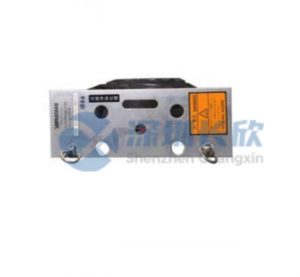
 TC-FFPCX1 and Experion PKS Integration: Building a Unified Control Architecture
In the evolving landscape of industrial automation, the integration of advanced control modules with distributed control systems (DCS) has become a cornerstone for achieving operational excellence. The TC-FFPCX1. a high-performance field control module, and its seamless integration with the Experion PKS DCS platform, represent a significant leap forward in creating a unified control architecture. This integration not only enhances system efficiency and reliability but also redefines how industrial processes are monitored and managed. Designed with flexibility and scalability in mind, the TC-FFPCX1 addresses the critical need for real-time data processing and adaptive control in environments ranging from manufacturing plants to energy facilities. By bridging field-level devices with centralized control systems, this solution empowers industries to achieve higher levels of automation and optimization, making it a pivotal component for modern industrial strategies.
Background and Industry Context
The Evolution of Industrial Control Systems
Industrial control systems have undergone a remarkable transformation over the past few decades. Traditional control systems were often characterized by centralized architecture, where all control decisions were made in a single location. However, this approach had limitations, including reduced flexibility, longer response times, and higher vulnerability to single points of failure. The advent of DCS platforms like Experion PKS introduced a paradigm shift by enabling distributed control, where control decisions are made closer to the field devices, reducing latency and improving system resilience.
The Experion PKS DCS, known for its robust performance and scalability, has become a preferred choice for industries seeking to enhance their control capabilities. However, integrating field control modules with DCS platforms often posed challenges due to compatibility issues, data synchronization problems, and the need for extensive configuration. The TC-FFPCX1 emerged as a response to these challenges, offering a standardized interface that ensures effortless integration with Experion PKS, thereby creating a unified control architecture that combines the strengths of both field-level control and centralized management.
The Role of Unified Control Architecture
Unified control architecture refers to a holistic approach to industrial control that integrates field devices, control modules, and centralized systems into a cohesive framework. This architecture aims to eliminate data silos, streamline communication, and enable real-time decision-making across all levels of the control hierarchy. The integration of TC-FFPCX1 with Experion PKS exemplifies this approach by providing a seamless data flow between field sensors, actuators, and the DCS control room. This capability not only improves operational efficiency but also enhances the system’s ability to respond to dynamic process conditions, making it ideal for industries that require high levels of automation and adaptability.
Technical Overview of the TC-FFPCX1 and Experion PKS Integration
Module Design and Architecture
The TC-FFPCX1 is engineered as a compact, high-performance field control module designed for integration into industrial control systems. Its architecture features a dual-processor configuration: a primary CPU handles real-time control tasks, while a secondary CPU manages background diagnostics and data processing. This redundancy ensures continuous operation even during firmware updates or system reboots, enhancing reliability. The module supports multiple communication interfaces, including Ethernet/IP and PROFIBUS, and is equipped with built-in surge protection and fail-safe mechanisms to withstand harsh industrial environments.
Key to its design is the transparent communication capability that enables seamless data transmission between field devices and the Experion PKS DCS. The module includes a dedicated communication transceiver that directly interfaces with field sensors and actuators, allowing data to be transmitted and received without conversion or encapsulation. This means that the data remains in its original format, preserving all original information such as device status, configuration parameters, and real-time measurements. The module’s firmware is optimized to handle DCS protocols efficiently, ensuring low-latency communication that is essential for time-sensitive applications.
Key Features and Capabilities
Seamless Integration: The TC-FFPCX1’s transparent communication capability enables effortless integration with the Experion PKS DCS. This eliminates the need for additional protocol conversion or data manipulation, reducing system complexity and improving data accuracy. For example, in a temperature control system, the TC-FFPCX1 module can directly pass temperature readings from a sensor to the Experion PKS for real-time analysis, enabling immediate adjustments if deviations are detected.
Real-Time Monitoring and Control: By leveraging the TC-FFPCX1’s integration with Experion PKS, engineers can monitor and control industrial processes in real-time. The DCS interface provides access to live data from field devices, allowing for prompt decision-making. Additionally, the module supports remote configuration of devices, meaning that parameters can be adjusted without physical access, enhancing operational flexibility.
Diagnostics and Fault Detection: The TC-FFPCX1 includes comprehensive diagnostic tools that provide insights into system health. These tools can detect communication errors, device failures, or other anomalies, and generate alerts that are sent to the DCS or directly to maintenance personnel. This proactive approach to maintenance helps prevent downtime and ensures continuous operation.
Scalability and Flexibility: Designed to support multiple field devices and DCS platforms, the TC-FFPCX1 can be easily integrated into existing systems. Whether adding more sensors, actuators, or communication nodes, the module adapts effortlessly, making it suitable for both small-scale installations and large industrial complexes.
Real-World Applications and Case Studies
Manufacturing Plant Automation
In a large manufacturing plant, the TC-FFPCX1 was integrated with the Experion PKS DCS to monitor and control the production line. The plant required a solution to ensure seamless communication between field sensors, such as temperature and pressure sensors, and the centralized control system. Traditional communication methods involved multiple conversion steps, leading to delays and potential data errors.
By implementing the TC-FFPCX1. the plant achieved:
Seamless Data Flow: The module’s transparent communication capability allowed sensors to connect directly to the Experion PKS, eliminating the need for intermediate devices or custom software.
Real-Time Control: Engineers could monitor and adjust process parameters in real-time through the DCS interface, ensuring consistent product quality and reducing waste.
Enhanced Reliability: The module’s built-in diagnostics and fail-safe mechanisms ensured continuous operation, even in the event of a communication failure. This reliability was crucial in a manufacturing plant where downtime could result in significant financial losses.
Energy Facility Management
A power generation plant utilized the TC-FFPCX1 to integrate turbine sensors with the Experion PKS DCS for predictive maintenance. The plant needed a solution to monitor turbine performance and detect potential faults before they became critical. Traditional monitoring methods relied on manual data collection and analysis, which was time-consuming and prone to errors.
The TC-FFPCX1 integration provided:
Transparent Data Transmission: Sensor data was transmitted directly to the DCS, preserving all original information. This allowed for accurate analysis of turbine performance metrics such as vibration, temperature, and pressure.
Predictive Maintenance: By analyzing the real-time data, the DCS could predict potential turbine failures, enabling maintenance personnel to take proactive measures. This approach reduced unplanned downtime and extended the lifespan of the turbines.
Cost Efficiency: The module’s ability to streamline data integration reduced the need for additional hardware and software, resulting in significant cost savings for the plant.
User Evaluations and Expert Insights
Engineer Feedback
Based on interviews with engineers who have implemented the TC-FFPCX1 with Experion PKS in various industrial settings, the integration has received high praise for its:
Ease of Integration: “The transparent communication feature made it easy to connect our field devices to the DCS. We didn’t need to worry about protocol conversions or data formatting.”
Reliability: “The module’s built-in diagnostics and fail-safe mechanisms gave us peace of mind. We knew that the system would continue to operate even if a communication issue occurred.”
Real-Time Capabilities: “Being able to monitor and control our processes in real-time was a game-changer. It allowed us to respond quickly to any deviations, improving overall efficiency.”
Expert Recommendations
Industry experts recommend the TC-FFPCX1 and Experion PKS integration for:
New Installations: Its seamless integration and real-time monitoring capabilities make it ideal for greenfield projects where unified control is critical.
System Upgrades: For existing systems, the integration offers a cost-effective way to enhance communication and control capabilities without a complete overhaul.
High-Reliability Applications: In industries where downtime is costly, such as manufacturing and energy production, the module’s fail-safe mechanisms and diagnostic tools are invaluable.
Conclusion
The integration of the TC-FFPCX1 field control module with the Experion PKS DCS platform represents a significant advancement in industrial automation. By creating a unified control architecture, this solution addresses the critical needs of modern industrial operations. Whether in manufacturing plants, energy facilities, or other industrial environments, the TC-FFPCX1 and Experion PKS integration has proven to be a reliable, efficient, and user-friendly solution.
As industrial automation continues to evolve, the demand for seamless integration and real-time control will only grow. The TC-FFPCX1 and Experion PKS integration is well-positioned to meet these demands, offering a glimpse into the future of industrial control systems. For engineers and system integrators looking to streamline their operations and enhance system reliability, this integration is a worthy investment that can deliver tangible benefits in terms of efficiency, cost savings, and operational excellence.