Description
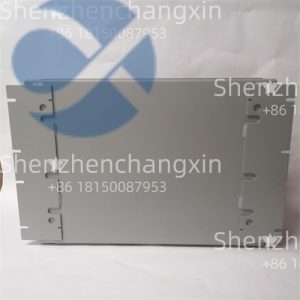
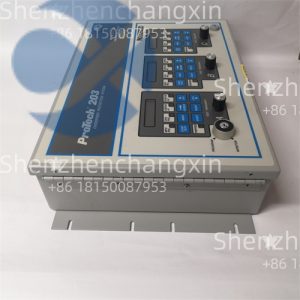
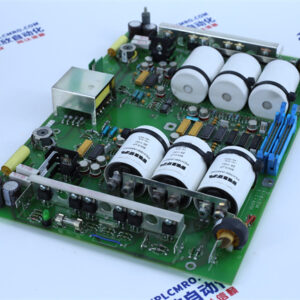
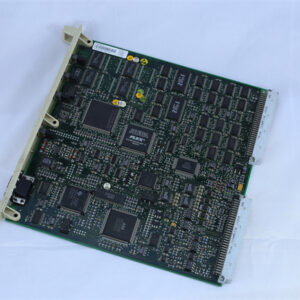
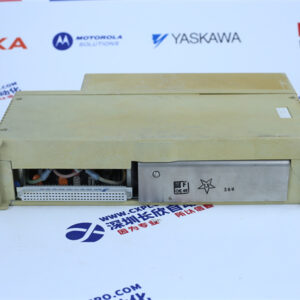
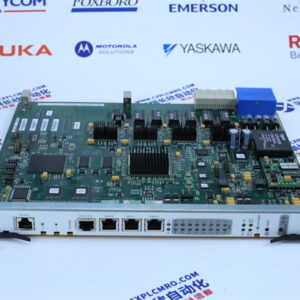
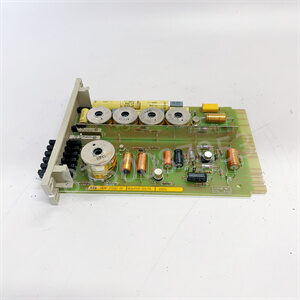
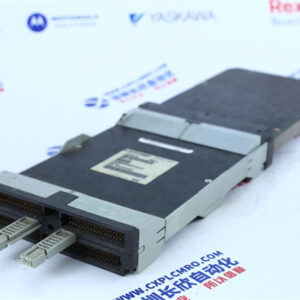
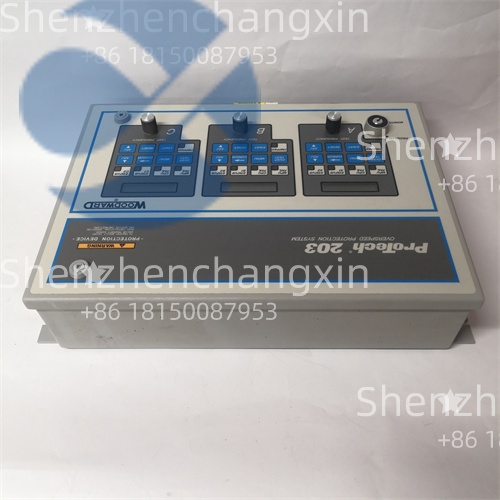
The WOODWARD 9907-162 is a rugged, high-performance speed and position interface module engineered for integration into Woodward’s MicroNet™ Plus and SLC (Simple Loop Controller) turbine and engine control systems. Designed to process critical rotational feedback from magnetic pickups, encoders, or proximity probes, it delivers precise RPM measurement, direction detection, and zero-speed indication—enabling reliable overspeed protection, load sharing, and synchronization in gas turbines, steam turbines, compressors, and generator sets.
This compact DIN-rail mountable I/O module combines industrial-grade signal conditioning with fail-safe diagnostics, ensuring mission-critical speed data remains accurate even in electrically noisy or high-vibration environments.
Application Scenarios
At a remote LNG compression facility in Western Australia, an aging compressor train suffered repeated nuisance trips due to erratic speed signals during startup—a risk that threatened contractual gas delivery penalties. The root cause was signal distortion from electromagnetic interference near the VFD-driven auxiliary pumps. After upgrading to the 9907-162. engineers gained clean, filtered speed pulses with built-in hysteresis and noise rejection. The module’s dual-channel redundancy and real-time health monitoring eliminated false trips for over 18 months. For this operation, the 9907-162 wasn’t just a sensor interface—it became the cornerstone of operational trust in a harsh, isolated environment.
Parameter
表格
Technical Principles and Innovative Values
Innovation Point 1: Adaptive Noise Immunity for Real-World Sensors
Unlike basic frequency-to-voltage converters, the 9907-162 uses dynamic threshold adjustment and digital edge validation to distinguish true gear teeth pulses from EMI spikes—critical when MPUs are routed near high-power cables.
Innovation Point 2: Dual-Channel Architecture for Safety & Diagnostics
Each channel operates independently with separate signal paths. The 9907-162 continuously cross-checks inputs for consistency, flagging mismatches as faults—enabling compliance with SIL 2/3 requirements in overspeed protection systems.
Innovation Point 3: Seamless Integration with Woodward Ecosystem
Auto-detected by MicroNet™ Plus controllers, the 9907-162 requires no manual scaling. Speed values appear directly in ToolboxST™ as engineering units (RPM), with diagnostic bits exposed for HMI alarming.
Innovation Point 4: True Zero-Speed Detection
Using low-frequency enhancement algorithms, the 9907-162 reliably detects standstill conditions down to 0.2 Hz—essential for turning gear interlocks and bearing lift oil systems.
Application Cases and Industry Value
A North American combined-cycle power plant retrofitted its aging steam turbine control system with Woodward MicroNet™ Plus. The original speed cards failed intermittently during grid disturbances due to ground loops. By installing redundant 9907-162 modules on separate I/O racks, the plant achieved <1 RPM measurement error across 0–4.000 RPM and passed all IEEE 421.4A transient response tests. During a subsequent grid fault, the system correctly held the turbine at synchronous speed—avoiding a $ 2.3M lost-revenue event. Operators now refer to the 9907-162 as “the heartbeat monitor” of their prime mover.
Related Product Combination Solutions
MicroNet™ Plus Controller (e.g., 9905-162): Central logic unit that processes speed data from 9907-162 for turbine protection and regulation.
ToolboxST™ Software: Woodward’s configuration and diagnostics platform for calibrating thresholds, viewing live waveforms, and logging speed events from 9907-162.
5466-485 MPU (Magnetic Pickup): High-output speed sensor optimized for use with 9907-162 in turbine applications.
9907-164: Analog output module for sending speed reference or load signals—complements 9907-162 in closed-loop systems.
SLC (Simple Loop Controller): Compact standalone controller that pairs with 9907-162 for small engine or pump control.
9905-425 I/O Baseplate: Dedicated terminal base for secure, shielded connection of sensors to 9907-162.
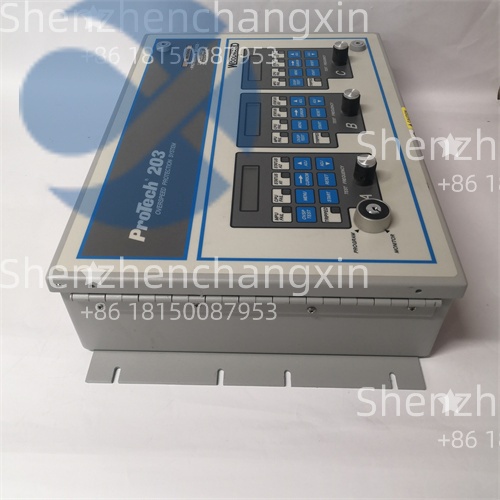
ProTech® Overspeed System: Standalone safety system that can integrate 9907-162 inputs for API 670-compliant trip logic.
Woodward DCS Gateway Modules: Enable 9907-162 speed data to be shared with third-party DCS (e.g., Emerson, Honeywell) via Modbus TCP.
Installation, Maintenance, and Full-Cycle Support
Installing the 9907-162 begins with secure DIN-rail mounting in a ventilated control enclosure. Route sensor cables in separate conduits from power lines, using twisted-pair shielded cable with shield grounded at the module end only. Configure input type (MPU, encoder, etc.) and filtering parameters via ToolboxST™—no internal jumpers required. The module self-calibrates signal amplitude thresholds during initial rotation.
For maintenance, monitor the front-panel LEDs: green = valid signal, red = fault (open circuit, short, or noise lockout). In redundant setups, a single 9907-162 can be replaced without system shutdown. Periodic verification using a signal simulator ensures long-term accuracy—especially after mechanical overhauls that alter gear tooth profiles.
Every 9907-162 we supply undergoes functional testing with simulated MPUs across full speed ranges and temperature cycles. Backed by a 12-month warranty and supported by engineers with hands-on Woodward system experience, we ensure your speed signal chain remains uncompromised—from cranking to full load.