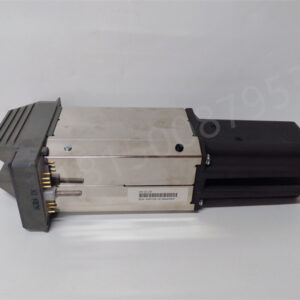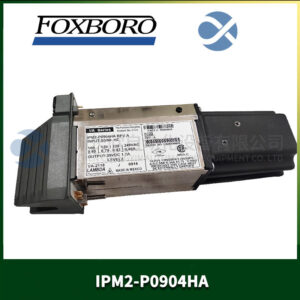
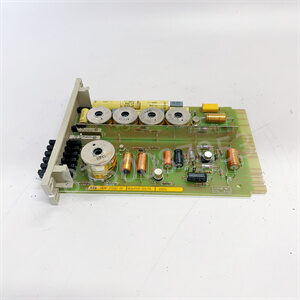

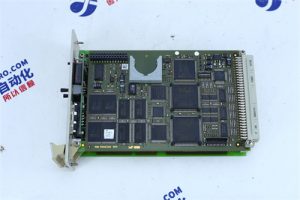

P0926KL
Product Name
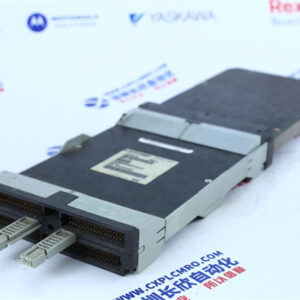
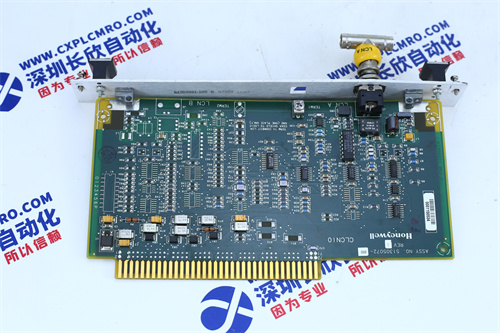
Foxboro (by Schneider Electric) P0926KL Redundant Digital I/O Module for I/A Series DCS(The naming follows Foxboro’s DCS module conventions:
-
-
- “P0926KL”: Identifies the “P0926” series of I/O modules, with “KL” specifying the redundant digital I/O variant (distinguished from P0926KP (digital input) and P0926KE (mixed I/O)).
- “Redundant Digital I/O Module”: Highlights its dual core functions—redundant hardware for fault tolerance and integrated digital input/output capabilities for process control.
This module acts as a “process signal hub,” ensuring uninterrupted monitoring of digital sensors (e.g., switches) and control of actuators (e.g., valves) while eliminating single points of failure in industrial systems.)
-
2. Product Description
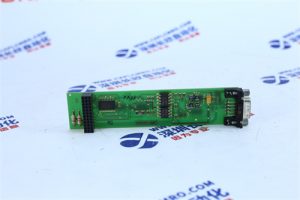
The P0926KL is an industrial-grade redundant digital I/O module engineered by Foxboro (now part of Schneider Electric) to address core challenges in process automation: signal acquisition failure, output control downtime, and unreliable operation in harsh environments. As a key component of Foxboro’s I/A Series DCS, it integrates dual-channel redundancy, electronic fault protection, and seamless DCS integration—making it indispensable for:
-
-
- Oil & Gas Industry: Monitoring pipeline valve positions and controlling pump starters, where downtime could lead to leakage or production losses.
- Chemical Processing: Tracking reactor pressure switch statuses and actuating emergency shutoff valves, ensuring compliance with safety regulations.
- Power Generation: Managing turbine auxiliary equipment (e.g., lubrication pumps) and monitoring generator breaker statuses, supporting stable grid supply.
- Water & Wastewater Treatment: Controlling filtration system valves and monitoring flow switch signals, maintaining consistent water quality 。
-
Key Functional Advantages
-
-
Dual-Channel Redundancy for Uninterrupted OperationEquipped with redundant power supplies and communication channels that operate in hot-standby mode 。 If the primary channel fails (e.g., wiring fault, component malfunction), automatic failover activates within milliseconds—ensuring continuous signal transmission to the DCS 。 This redundancy reduces unplanned downtime by >99% compared to non-redundant modules 。
-