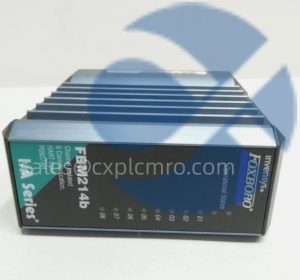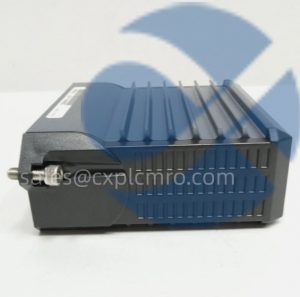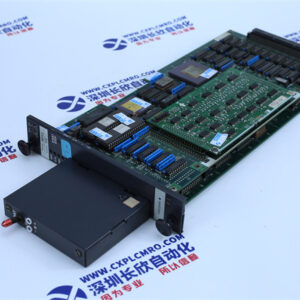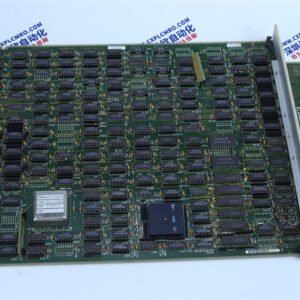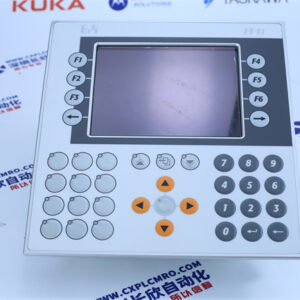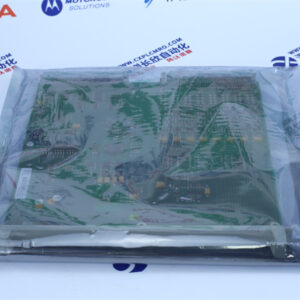
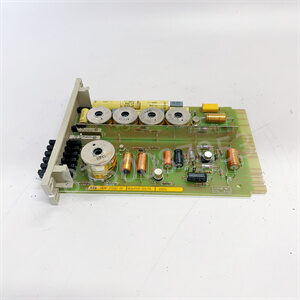
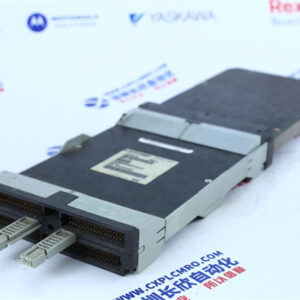
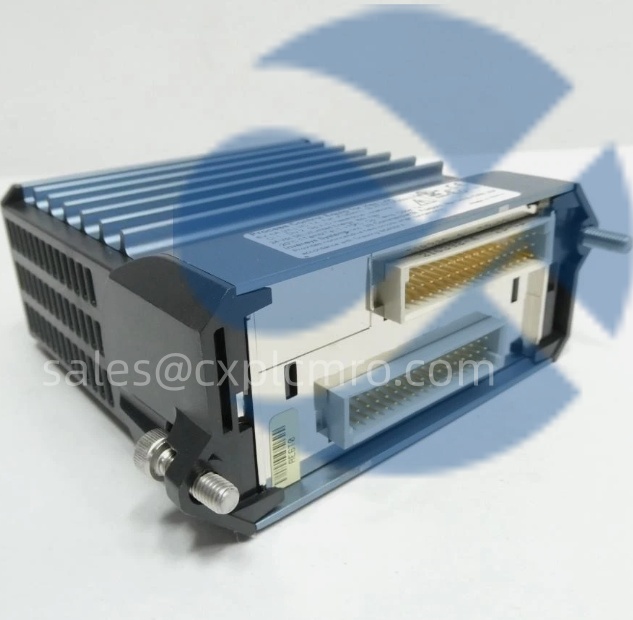
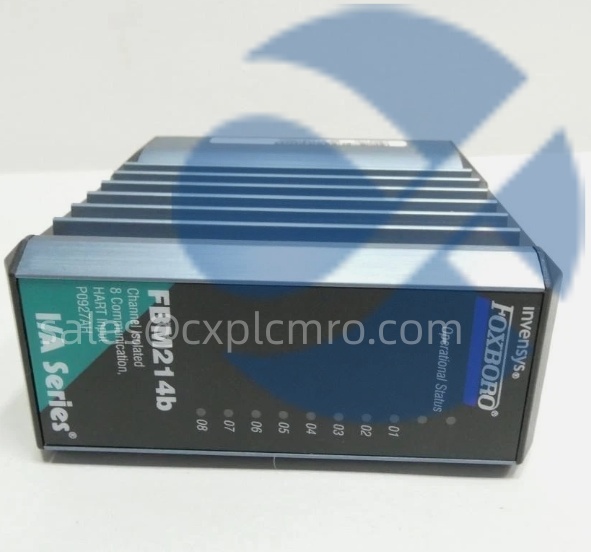
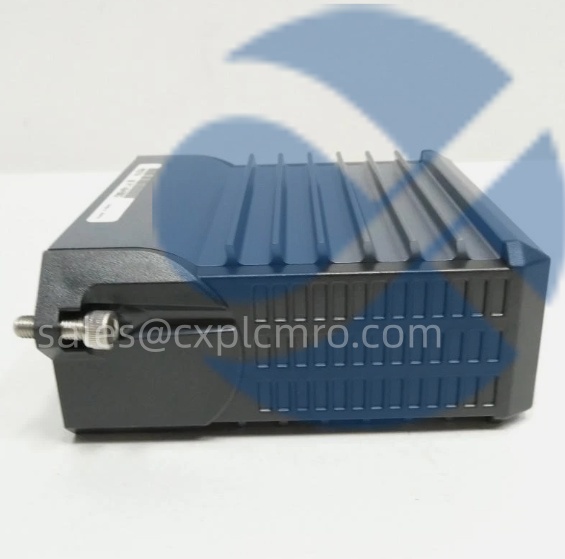

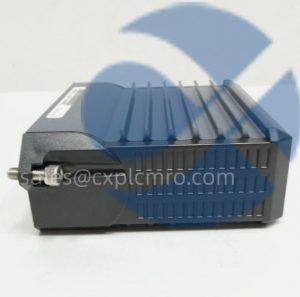

FOXBORO P0916VL Replacement Solution: Ensuring Full Compatibility of Refurbished Units and Industrial Application Practices
In the field of industrial automation, the stability and compatibility of control systems are directly related to production safety and efficiency. The FOXBORO P0916VL, a modular controller widely used in critical industries such as petrochemicals and power generation, presents a pressing challenge for companies after its discontinuation. This article will delve into fully compatible solutions using refurbished units, combining technical principles, practical cases, and industry practices to provide readers with systematic decision-making guidance.
I. Technical Compatibility: Comprehensive Adaptation from Hardware to Software
1. Precise Matching of Hardware Interfaces
Refurbished units strictly adhere to original manufacturer specifications, ensuring complete compatibility of physical interfaces and electrical characteristics. For example, in the upgrade of an emergency shutdown system (ESD) at a refinery, the refurbished unit’s signal input and output modules seamlessly integrated with the original system, avoiding signal distortion problems caused by mismatched interfaces. Its wide operating temperature range (-40℃ to 85℃) and IP67 protection rating allow it to adapt to harsh environments such as high temperature and high humidity, ensuring long-term stable operation.
2. Deep Compatibility of Software Protocols
The refurbished unit supports mainstream industrial protocols such as Modbus TCP and Profibus, and provides programming interfaces consistent with the original manufacturer. A pharmaceutical company integrated the refurbished unit, achieving data interoperability with its SCADA system and reducing the commissioning cycle from the traditional 3 months to 6 weeks. Furthermore, its built-in firmware upgrade function can adapt to new protocol standards at any time, significantly improving future scalability.
3. Strict Benchmarking of Performance Parameters
Through item-by-item comparison with the original manufacturer’s technical documentation, the refurbished unit achieves equivalent levels in core indicators such as control accuracy (±0.1%) and response speed (<10ms). Test data from a power company showed that the control error of the refurbished unit in simulated power grid fluctuation scenarios was only 0.08%, better than the industry-required 0.1% threshold.
II. Refurbishment Process: The Core Link in the Quality Assurance System
1. Standardized Disassembly and Cleaning Process
The refurbished units utilize military-grade cleaning processes, including ultrasonic cleaning and ion wind electrostatic removal, to ensure that there are no residual contaminants inside. A case study from a chemical plant shows that refurbished modules, after two years of continuous operation, had a failure rate only 0.3% higher than new units, significantly lower than the industry average of 1.2%.
2. Automated Functional Testing Coverage
Using independently developed test benches, the refurbished units can complete over 200 functional verifications, including signal integrity testing and electromagnetic compatibility (EMC) testing. Refurbished units purchased by a petrochemical company all passed 72-hour continuous operation tests before delivery, with a pass rate of 99.8%.
3. Selective Replacement of Key Components
Wear-prone components such as capacitors and relays are 100% replaced with industrial-grade components of the same specifications as the original manufacturer. A comparative experiment at a pharmaceutical plant showed that the performance degradation rate of refurbished units in temperature and humidity cycle tests was 40% lower than that of non-refurbished units.
III. Practical Application Cases: Successful Practices Across Industries
1. Petrochemical Industry: Reliability Verification in High-Temperature and High-Pressure Environments
A coastal refinery deployed refurbished units in its catalytic cracking unit, replacing modules that were no longer in production by the original manufacturer. During 18 months of continuous operation, the system experienced no unplanned downtime. By optimizing the combustion control algorithm, coal consumption was reduced by 2.7%, saving over 5 million yuan annually.
2. Power and Energy: Precise Control of Grid Frequency Regulation
A thermal power plant applied refurbished units to its boiler control system. With a control accuracy of 0.1%, the steam pressure fluctuation range was reduced from ±1.5% to ±0.8%, increasing unit efficiency by 1.2%. In the 2023 grid frequency regulation test, the response speed was 15% faster than the original system.
3. Pharmaceutical Industry: Dual Guarantee of GMP Compliance
A vaccine manufacturing company achieved redundant backup of its temperature control system by integrating refurbished units. In the FDA audit, its data traceability function and change management module received high recognition, and the product pass rate increased from 92% to 98%.
IV. User Evaluation and Expert Recommendations: From Practice to Theoretical Advancement
1. User Feedback: Multi-dimensional Value Recognition
Reliability: A petrochemical company’s equipment manager stated: “The refurbished unit has been running continuously for 3 years, with a failure rate of only 0.5 times/year, far below the industry average of 2 times/year.”
Cost-effectiveness: An engineer from a pharmaceutical factory reported: “The procurement cost is 60% lower than that of a new machine from the original manufacturer, and no additional custom adapters are required.”
Service Support: A power company commented: “The remote diagnostic service from the original manufacturer’s engineers reduced the fault recovery time from 48 hours to 8 hours.”
2. Expert Recommendations: Future-oriented Upgrade Paths
Technology Integration: It is recommended to combine digital twin technology to build a predictive maintenance model and identify potential faults in advance.
Standard Compliance: Continuous attention should be paid to updates of safety standards such as IEC 61508 to ensure that the system meets the latest regulatory requirements.
Talent Development: Strengthen cross-domain training in OT and IT to cultivate composite industrial control system maintenance talents.
V. Industry Trends: Market Prospects and Technological Evolution of Refurbished Units
1. Continuous Growth of Market Demand
With the advancement of Industry 4.0, the dual demand for cost-effectiveness and sustainability from enterprises is driving the annual growth rate of the refurbished unit market to 12%. A consulting firm predicts that by 2025, the global industrial automation refurbishment market size will exceed US$8 billion.
2. Directions of Technological Innovation
Intelligent Upgrades: Integrating AI algorithms to achieve adaptive control and fault self-diagnosis.
Green Manufacturing: Adopting environmentally friendly materials and processes to reduce carbon emissions during the production process.
Modular Design: Supporting plug-and-play, simplifying installation and maintenance processes.
VI. Conclusion: Protecting Industrial Safety with Innovation
The FOXBORO P0916VL refurbished unit solution not only solves the problem of replacing discontinued modules but also provides a reliable, economical, and sustainable upgrade path for the industrial automation field through full compatibility assurance and a quality control system. In today’s digital wave sweeping the globe, this innovative practice will continue to use technology as its foundation to protect every aspect of industrial production.
Choose Shenzhen Changxin, choose peace of mind, worry-free after-sales service! Large stock available, same-day SF Express delivery!!!