

ABB 5SHY4045L0004
Product Description
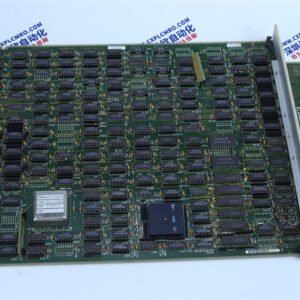
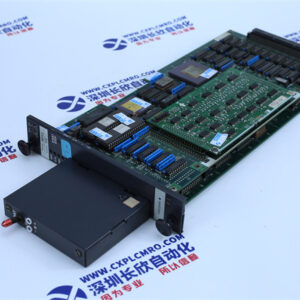
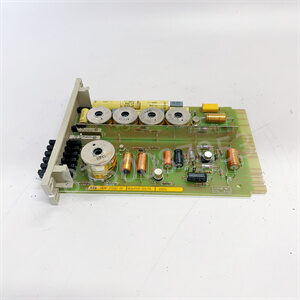
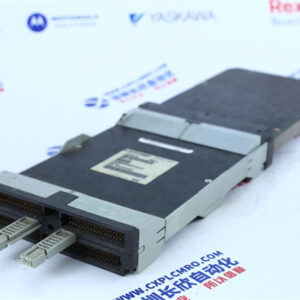
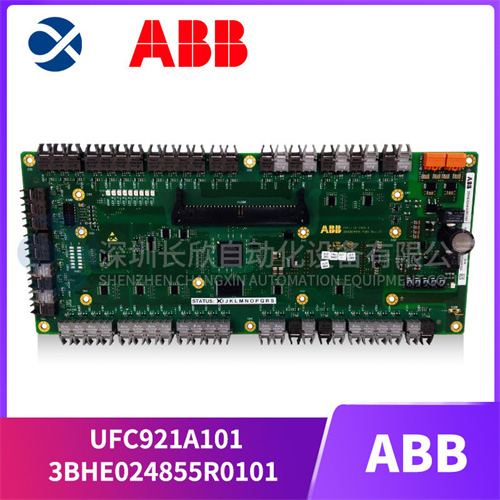
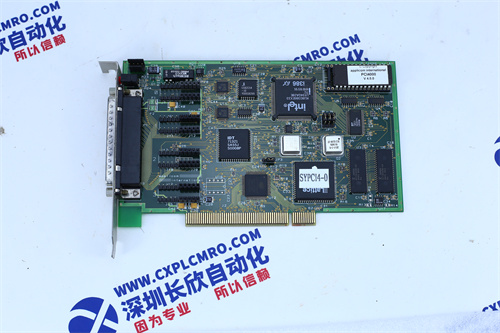
The ABB 5SHY4045L0004 is a module designed for industrial applications. While detailed technical descriptions might be limited in the publicly available sources, it is known to be a significant part of ABB’s product portfolio. It could potentially be involved in power management, signal control, or data processing within industrial systems. Given ABB’s reputation for industrial technology, this module is likely constructed with high – quality materials to ensure durability and reliable performance in harsh industrial environments. It may be used in various industrial sectors such as steel manufacturing, power generation (including thermal, hydroelectric, nuclear, and wind power), gas supply, and a wide range of manufacturing industries like glass, paper, mechanical, electronic, automotive, aviation, and chemical.
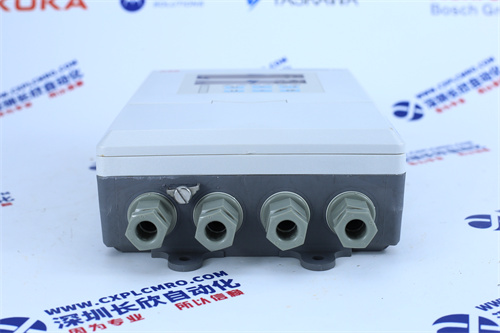
Product Parameters
- Current: Rated current is 5A, which indicates the maximum electrical current the module can handle under normal operating conditions. This current rating is crucial as it determines the types of electrical loads and devices the module can be connected to and control.
- Voltage: Operates at 24V. This specific voltage level is a common standard in many industrial control systems, enabling seamless integration with other components that operate on the same voltage. The 24V power supply is used to power the internal circuitry of the module, allowing it to perform its intended functions.
- Mode of Use: Supports hot – plug implementation. Hot – plugging means that the module can be inserted or removed from an operating system without the need to power down the entire system. This feature is highly beneficial in industrial settings where minimizing downtime during maintenance or component replacement is of utmost importance. It allows for quick and efficient servicing of the module without disrupting the overall operation of the industrial