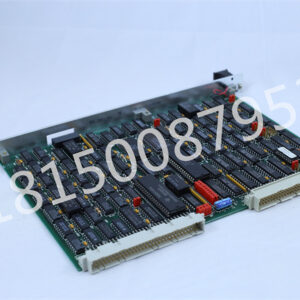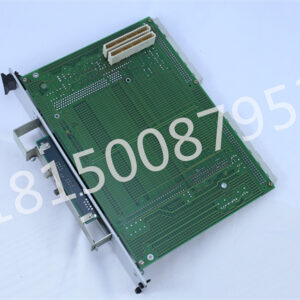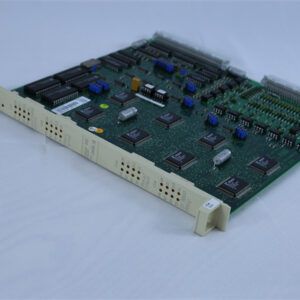
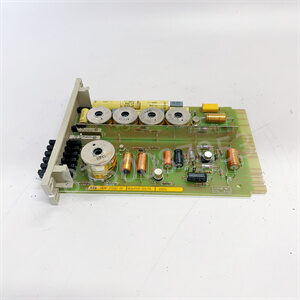
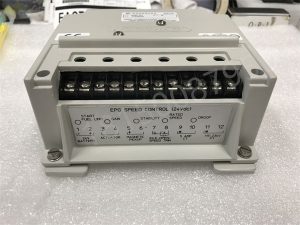
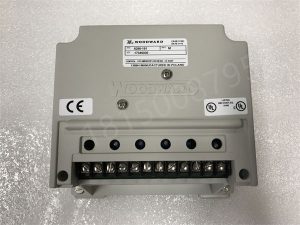
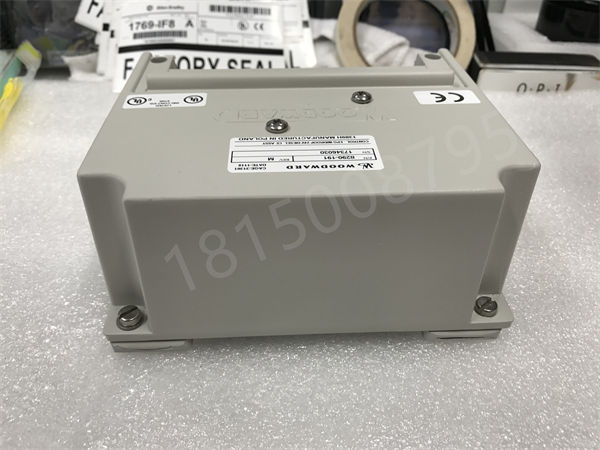
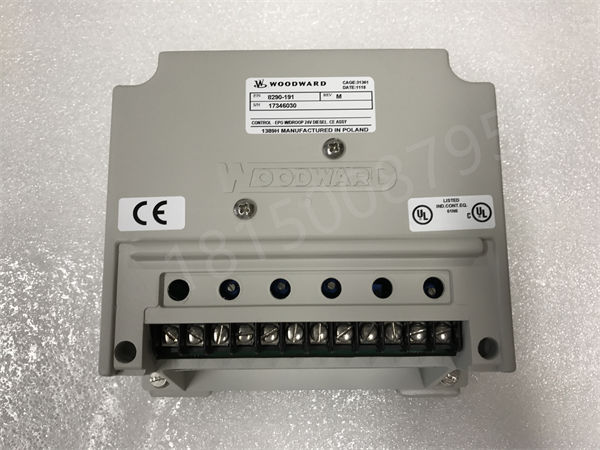
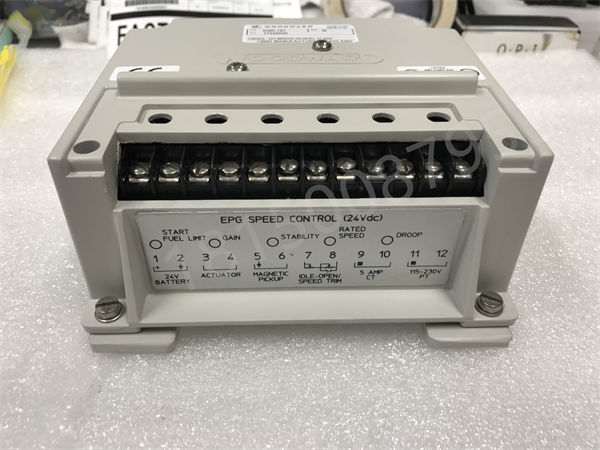
8290-191 WOODWARD
Adopting SMT full mount production and three proof paint treatment process, the product has high stability
The entire series adopts IGBT power devices to ensure high quality
The correct selection of frequency converters is crucial for the normal operation of the control system. When selecting a frequency converter, it is necessary to fully understand the load characteristics driven by the frequency converter
People often classify production machinery into three types in practice: constant torque load, constant power load, and fan and water pump load.
Constant torque load
The load torque TL is independent of the speed n, and TL always remains constant or basically constant at any speed. For example, frictional loads such as conveyor belts, mixers, and extruders, as well as potential energy loads such as cranes and hoists, all belong to constant torque loads.
When the frequency converter drives a constant torque load, the torque at low speed should be large enough and have sufficient overload capacity.
If stable operation is required at low speeds, the heat dissipation capacity of standard asynchronous motors should be considered to avoid excessive temperature rise of the motor.
Constant power load:
The torque required for machine tool spindles, rolling mills, paper machines, plastic film production lines such as coilers and uncoilers is generally inversely proportional to the rotational speed, which is known as constant power load

The constant power property of the load should be in terms of a certain range of speed changes. When the speed is very low, due to the limitation of mechanical strength, TL cannot increase infinitely and transforms into a constant torque property at low speeds. The constant power and torque regions of the load have a significant impact on the selection of transmission schemes. When the motor is in constant flux speed regulation, the maximum allowable output torque remains unchanged and belongs to constant torque speed regulation