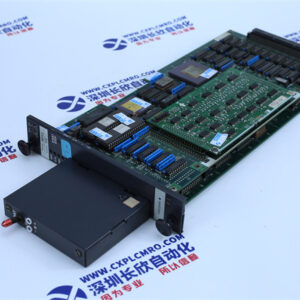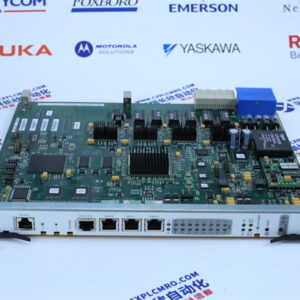
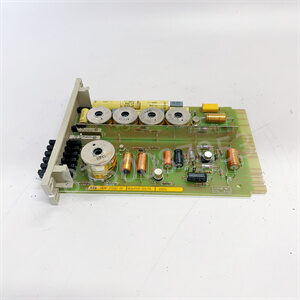
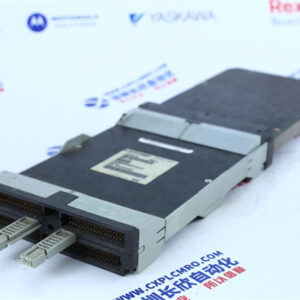
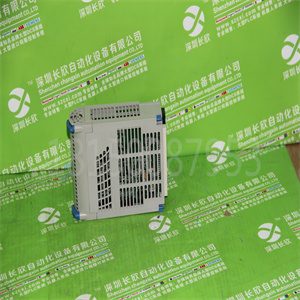
5X00167G01 WESTINGHOUSE
The content and parameters of product information materials for the Westinghouse 5X00167G01 can vary depending on the specific product and its intended use. However, typical elements that may be included in product information materials for this Westinghouse product are:
- Product Description: A detailed description of the 5X00167G01, including its purpose, function, and features.
- Technical Specifications: Specifications like dimensions, weight, power requirements, and operating conditions.
- Performance Data: Information on the performance of the product, such as output power, efficiency, and operating temperature range.
- Installation Instructions: Step-by-step instructions for installing and setting up the product.
- Operation Manual: Detailed instructions on how to operate and maintain the 5X00167G01, including troubleshooting tips and safety guidelines.
- Warranty Information: Details of the warranty coverage and terms for the product.
- Compatibility: Information on the compatibility of the 5X00167G01 with other devices, systems, or software.
- Certifications and Compliance: Documentation of any certifications or compliance standards that the product meets.
- Support and Contact Information: Contact details for customer support, including phone numbers, emails, and website URLs.
- Optional Accessories: Information on any additional accessories or compatible products that can enhance the use of the 5X00167G01.
It is worth noting that the specific content and parameters may vary depending on the industry, target audience, and design of the product.
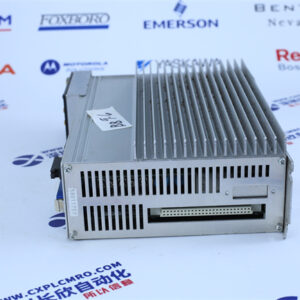
Sumitomo Variable Frequency Drive invertor HF32043 NEW
Sumitomo Variable Frequency Drive invertor HF32043 NEW
Sumitomo Variable Frequency Drive invertor HF32043 NEW
Basler L402K Line Scan Camera With cable
Parker/Daedal Motorized Linear Stage 30″Travel
Enviromental test chamber model TC550
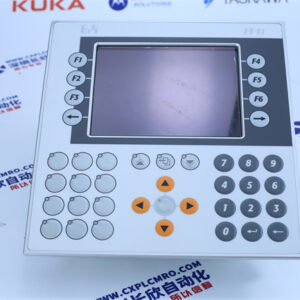
Omron NT600S-ST121-V3
White Knight AT 100 Chemical Diaphragm Pump
SOLECTRIA DC-DC750 DC/DC Converter
It belongs to the category of semiconductor device manufacturing, and most of the manufacturing of electric ceramic components belongs to the category of ceramic manufacturing. The manufacturing process of various motors and electrical appliances often includes a large number of metal cutting, casting, welding, cold stamping, plastic forming and other mechanical manufacturing processes such as turning, pliers, planing, milling, etc. Although electrical manufacturing processes are mostly similar to mechanical manufacturing processes, they differ greatly from the latter due to the need to meet electromagnetic requirements. For example, electrical steel requires high magnetic permeability, low hysteresis and eddy current losses, which is different from structural steel; Copper for electrical purposes requires good conductivity, so its composition and smelting method are also different from general copper; There are also specific requirements for electrical contact materials and their processing methods, especially for large high-voltage electrical equipment.
Electrical equipment generally has components that utilize electromagnetic phenomena to perform certain functions, such as coils, iron cores, insulated wires, etc. These components have their own unique manufacturing processes in their manufacturing. The typical manufacturing process for coil winding is: wire and insulation material testing – → wire wrapping insulation – → wire winding – → semi-finished product testing – → sorting and pressing – → pre drying – → vacuum impregnation – → drying; The typical manufacturing process of iron core laminations is: silicon steel sheet testing – → silicon steel sheet cutting – → stamping – → annealing – → painting – → drying – → stacking – → semi-finished product testing. The insulating parts between charged bodies and between charged bodies and ground must undergo insulation treatment, filling the gaps with insulating paint and forming a smooth and dense paint film on the surface of the insulating paint to improve its electrical performance, as well as its mechanical performance, moisture resistance, thermal conductivity, and chemical stability. The typical process flow of insulation treatment is: raw material testing – → pre drying – → impregnation – → drying and removing paint deposits – → drying. Usually, insulation components in high-voltage electrical appliances need to undergo 2-3 insulation treatments.