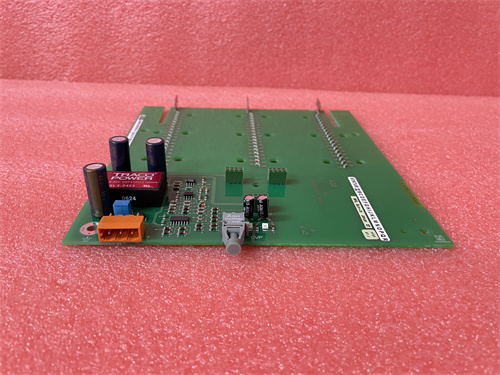
Product Description
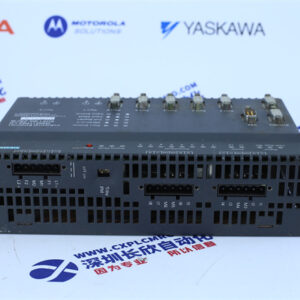
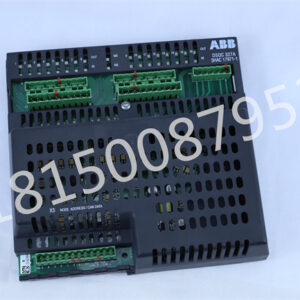
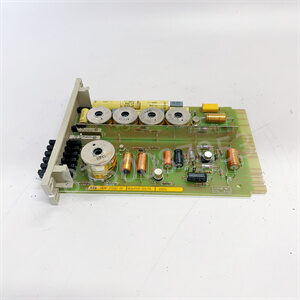
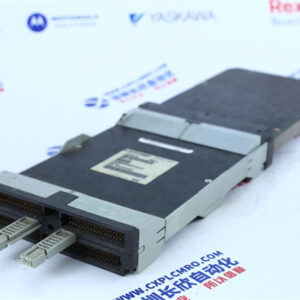
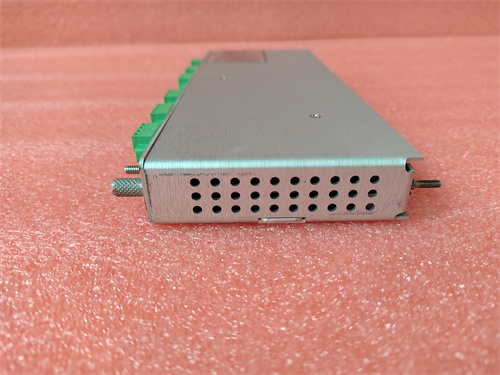
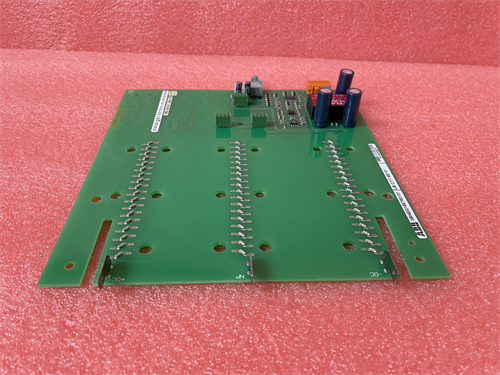
The 51401286 – 100 module is likely a specialized component designed for industrial automation and control systems. Its primary function is to enhance system performance, reliability, and connectivity.
1. System Integration and Connectivity
This module probably serves as a key interface for connecting different components within an industrial setup. It might support multiple communication protocols, such as Modbus, Profibus, or Ethernet/IP, enabling seamless data exchange between programmable logic controllers (PLCs), sensors, actuators, and other devices. For example, in a manufacturing plant, it could act as a bridge to ensure that real – time data from various sensors is accurately transmitted to the central control system, allowing for precise monitoring and control of production processes.
2. Control and Signal Processing
It may be equipped with advanced processing capabilities to handle control tasks and signal conditioning. The module could analyze input signals from sensors, perform calculations, and generate appropriate control signals to regulate the operation of industrial equipment. In a process control application, it might adjust the speed of motors, control the flow of liquids or gases, or manage the temperature of industrial furnaces based on pre – set parameters and real – time feedback.
3. Robust and Reliable Design
Built to withstand harsh industrial environments, the 51401286 – 100 module likely features a rugged enclosure. It can resist factors such as vibrations, dust, moisture, and electromagnetic interference commonly found in factories, power plants, and other industrial facilities. Its components are probably selected for their high – quality and long – lasting performance, ensuring stable operation over extended periods and reducing the frequency of maintenance and replacement.
4. Diagnostic and Monitoring Functions
The module may incorporate built – in diagnostic features to help users monitor its operational status. LED indicators or digital displays could show information about power supply, communication status, and any potential faults or errors. Additionally, it might support remote monitoring and diagnostic capabilities, allowing technicians to troubleshoot issues and perform maintenance tasks without having to be physically present at the equipment location, thus minimizing downtime and improving overall system availability.
Product Parameters (Speculative)
- Manufacturer: Unknown (needs to be determined based on additional context)
- Module Type: Industrial control/interface module
- Power Supply: 24V DC (a common voltage in industrial modules, but could vary)
- Power Consumption: Approximately 10 – 15W (estimated based on similar industrial components)
- Communication Protocols: Supports Modbus RTU/TCP, Profibus DP, Ethernet/IP (speculative, depending on actual application)
- Input/Output Channels:
- Analog Inputs: 4 – 8 channels (for connecting sensors with analog signals)
- Analog Outputs: 2 – 4 channels (for controlling devices that require analog input)
- Digital Inputs: 8 – 16 channels
- Digital Outputs: 8 – 16 channels
- Operating Temperature Range: – 20°C to 60°C (suitable for typical industrial environments)
- Storage Temperature Range: – 40°C to 85°C
- Relative Humidity: 5% – 95% (non – condensing)
- Certifications: May comply with international standards such as CE, UL, or other relevant industrial certifications
Product Specifications (Speculative)
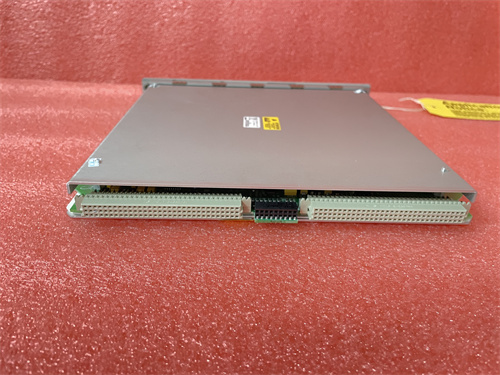
- Physical Dimensions:
- Length: 120 – 150mm
- Width: 80 – 100mm
- Height: 40 – 60mm (compact design for easy installation in control cabinets)
- Weight: Around 0.8 – 1.2kg
- Mounting: Designed for DIN – rail mounting or panel mounting, which are common installation methods in industrial control systems