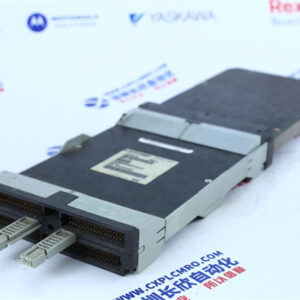
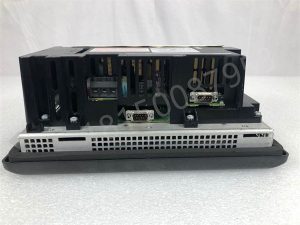
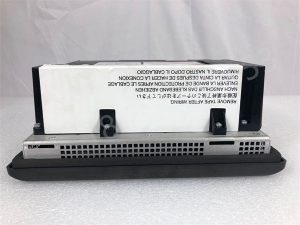
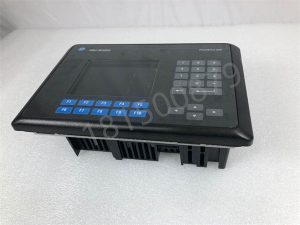
2711-K6C9 AB
and computer technology had been fully introduced into programmable controllers, resulting in a leap in their functionality. Its higher computing speed, ultra small size, more reliable industrial anti-interference design, analog operation, PID function, and extremely high cost-effectiveness have established its position in modern industry.
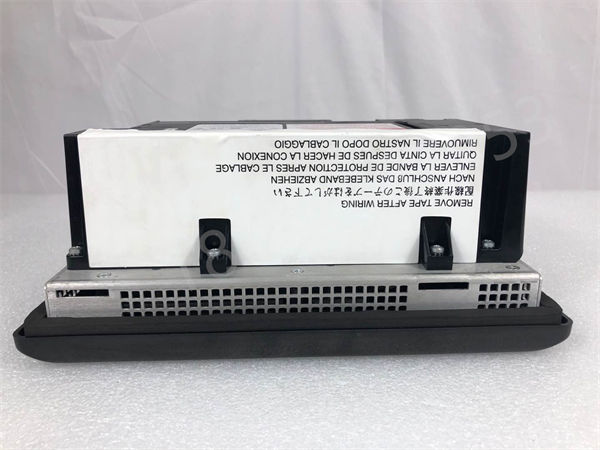
In the early 1980s, programmable logic controllers were widely used in advanced industrial countries. The number of countries producing programmable controllers in the world is increasing, and the production is increasing day by day. This marks the maturity stage of programmable controllers.
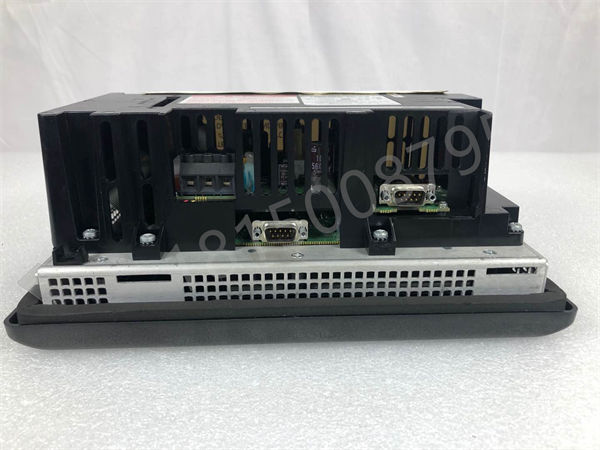
The 1980s to mid-1990s were the fastest growing period for programmable logic controllers, with an annual growth rate of 30-40%. During this period, the processing capacity of PLC for analog signals, digital operations, human-machine interface, and network capabilities were significantly improved. Programmable logic controllers gradually entered the field of process control, replacing the dominant DCS system in some applications
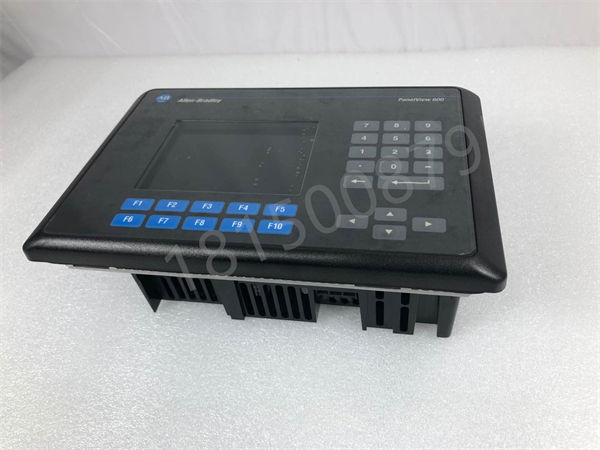
n the late 20th century, the development characteristics of programmable logic controllers were more suitable for the needs of modern industry. During this period, large and ultra small computers were developed, various special functional units were born, various human-machine interface units and communication units were produced, making it easier to match industrial control equipment using programmable logic controllers

The power supply is used to convert AC power into DC power required within the PLC, and most PLCs use a switch type regulated power supply for power supply.
Central processing unit
The central processing unit (CPU) is the control center and core component of the PLC, and its performance determines the performance of the PLC.
The central processing unit (CPU) is composed of a controller, arithmetic unit