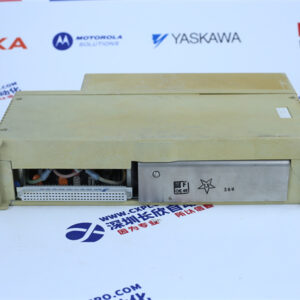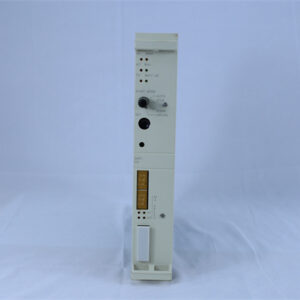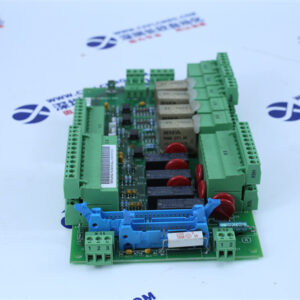
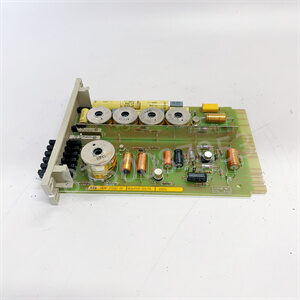
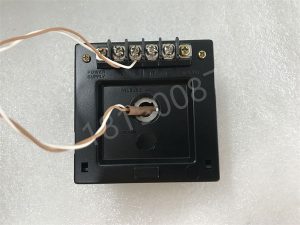
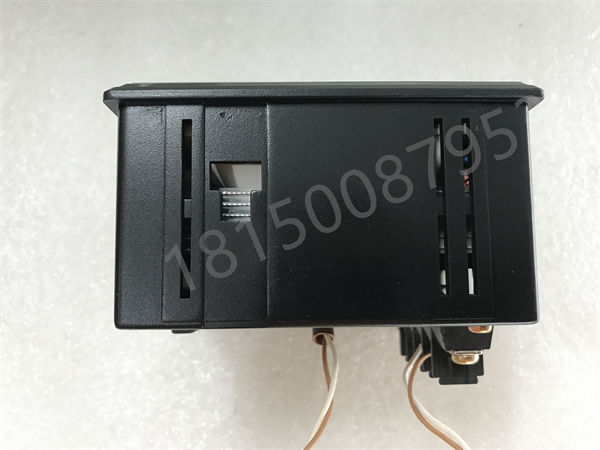
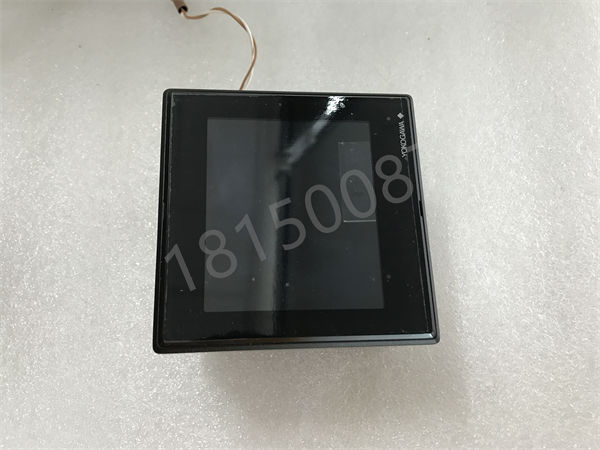
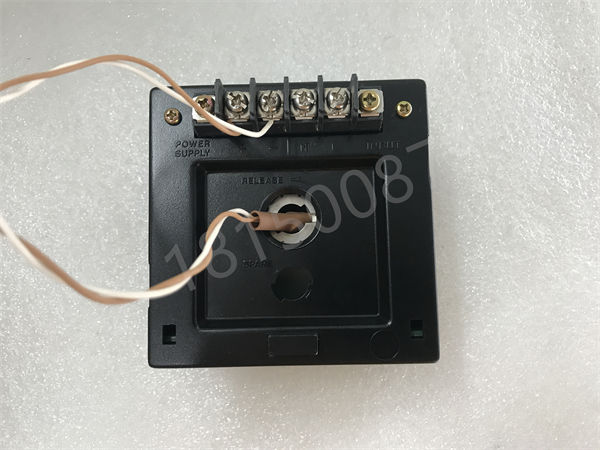
2302-32-VLE-2 YOKOGAWA
The entire scanning process includes three major steps, including “input status check”, “program execution”, and “output status update”, as described below:
Step 1 “Input Status Check”: The PLC first checks the status of each point switch or sensor connected to the input components (1 or 0 represents on or off), and writes its status to the corresponding position Xn in memory
Step 2 “Program Execution”: Fetch the ladder diagram program line by line into the CPU for operation. If the program needs to input the contact status during execution, the CPU will directly query and retrieve it from the memory. The calculation results of the output coil are stored in the corresponding position in memory and are not reflected in the output terminal Yn for the time being.
Step 3 “Output Status Update”: Update the output status in Step 2 to the PLC output contact and return to Step 1. These three steps are called the scanning cycle of the PLC, and the time required to complete them is called the reaction time of the PLC. If the input signal time of the PLC is less than this reaction time, there is a possibility of misreading
After each program execution and before the next program execution, the output and input states are updated once, so this operation is called the output input end “program end regeneration”.Programmable logic controller is a digital operation electronic system designed specifically for application in industrial environments. It adopts a programmable memory that stores instructions for performing logical operations, sequential control, timing, counting, and arithmetic operations internally. It controls various types of mechanical equipment or production processes through digital or analog input and output

Programmable Logic Controller (PLC) is a digital arithmetic controller with a microprocessor for automation control, which can load control instructions into memory at any time for storage and execution. The programmable controller consists of functional units such as CPU, instruction and data memory, input/output interface, power supply, and digital to analog conversion