
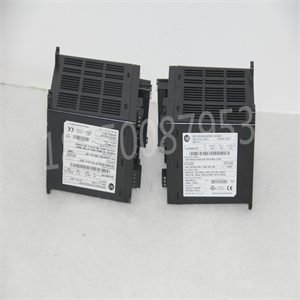
1404-M405A AB
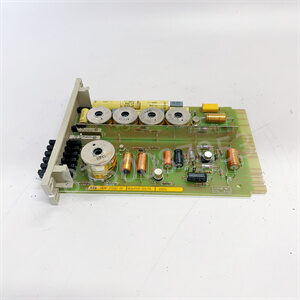
The AB 1404-M405A is an electronic product that provides various features and functionalities. Here are some of the product information content and parameters:
- Model: AB 1404-M405A
- Dimensions: The exact dimensions of the product can vary, and you may need to refer to the product specifications or manual for accurate measurements.
- Weight: The weight of the product can vary and should be indicated in the product specifications or manual.
- Product Type: The AB 1404-M405A is classified as an electronic device.
- Power Source: It may require an external power source or have built-in batteries. The specific power requirements should be mentioned in the user manual.
- Connectivity: The product may have various connectivity options such as Wi-Fi, Bluetooth, USB, or Ethernet for data transfer and communication.
- Display: It may feature an integrated display, which can provide visual information and interactive user interfaces.
- Operating System: The AB 1404-M405A may run on a specific operating system, which might be mentioned in the product specifications.
- Storage Capacity: The product can have built-in storage capacity to store data and information. The capacity can vary and should be mentioned in the product specifications.
- Inputs and Outputs: The product may have various inputs and outputs such as buttons, ports, or interfaces to interact with external devices or peripherals.
- Special Features: The AB 1404-M405A may offer special features or functions like advanced sensors, advanced algorithms, or integrated software.
- Compatibility: The product’s compatibility with different devices or platforms may be mentioned in the product specifications or user manual.
- Warranty: The product may come with a warranty period, and the details should be provided by the manufacturer.
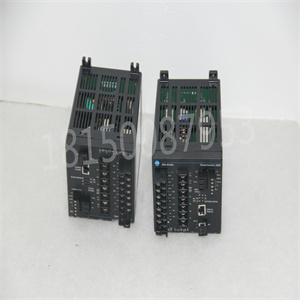
GE FANUC IC600CB500K ARITHMETIC CONTROL MODULE SERIES 6
GE Fanuc IC600RP551L Rack Chassis RPU IC600RP551-L
GE Fanuc IC600RM716 Data Prom IC600RM716 Rev M&L
GE FANUC SERIES SIX PLUS I/O PLC IC600YR560L 115/230 V
GE Fanuc Input Module IC600BF804K#7799
Ge Fanuc Input Module IC600BF831K#10959
Ge Fanuc Input Module IC600BF831K#7788
GE Fanuc IC600YR550L I/O 8 Slot Rack High Capac#8081
The development of production technology requirements in the American automotive industry has promoted the emergence of PLCs. In the 1960s, General Motors found it difficult to modify relay and contactor control systems, with large volume, high noise, inconvenient maintenance, and poor reliability when adjusting factory production lines. Therefore, the famous “General Ten” bidding index was proposed.
In 1969, the American Digital Equipment Company developed the first programmable controller (PDP-14), which was tested on General Motors’ production line and showed significant results; In 1971, Japan developed the first programmable controller (DCS-8); In 1973, Germany developed the first programmable controller; In 1974, China began developing programmable controllers. In 1977, China promoted PLC in industrial applications.
The initial purpose was to replace mechanical switching devices (relay modules). However, since 1968, the functions of PLCs have gradually replaced relay control boards, and modern PLCs have more functions. Its purpose extends from single process control to the control and monitoring of the entire manufacturing system.
develop
In the early 1970s, microprocessors emerged. People quickly introduced it into programmable logic controllers, which added functions such as computation, data transmission, and processing, completing industrial control devices that truly have computer characteristics. The programmable logic controller at this time is a product of the combination of microcomputer technology and conventional relay control concepts. After the development of personal computers, in order to facilitate and reflect the functional characteristics of programmable controllers, programmable logic controllers were named Programmable Logic Controller (PLC).
In the late 1970s, programmable logic controllers entered the stage of practical development, and computer technology had been fully introduced into programmable controllers, resulting in a leap in their functionality. Its higher computing speed, ultra small size, more reliable industrial anti-interference design, analog operation, PID function, and extremely high cost-effectiveness have established its position in modern industry.
In the early 1980s, programmable logic controllers were widely used in advanced industrial countries. The number of countries producing programmable controllers in the world is increasing, and the production is increasing day by day. This marks the maturity stage of programmable controllers.
The 1980s to mid-1990s were the fastest growing period for programmable logic controllers, with an annual growth rate of 30-40%. During this period, the processing capacity of PLC for analog signals, digital operations, human-machine interface, and network capabilities were significantly improved. Programmable logic controllers gradually entered the field of process control, replacing the dominant DCS system in some applications.
In the late 20th century, the development characteristics of programmable logic controllers were more suitable for the needs of modern industry. During this period, large and ultra small computers were developed, various special functional units were born, various human-machine interface units and communication units were produced, making it easier to match industrial control equipment using programmable logic controllers.