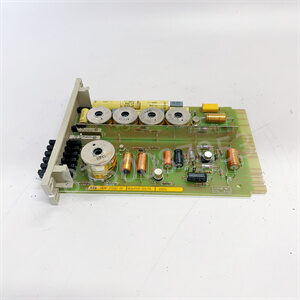
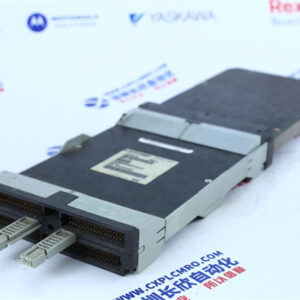
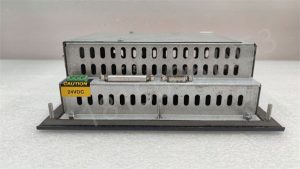
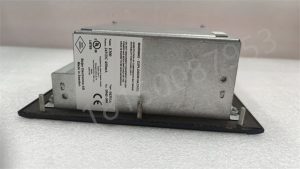
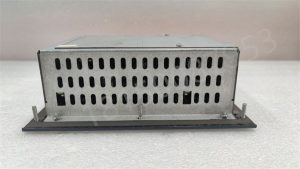
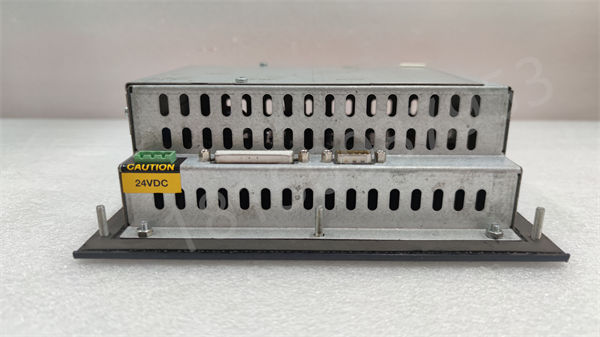
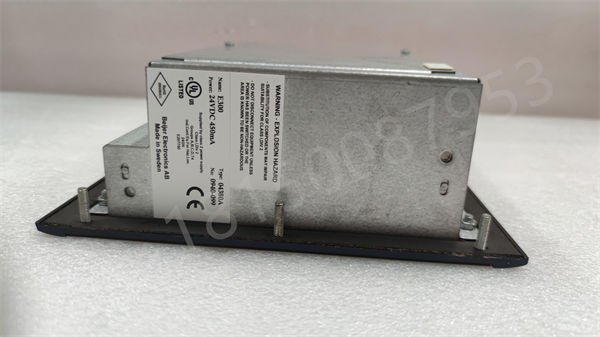
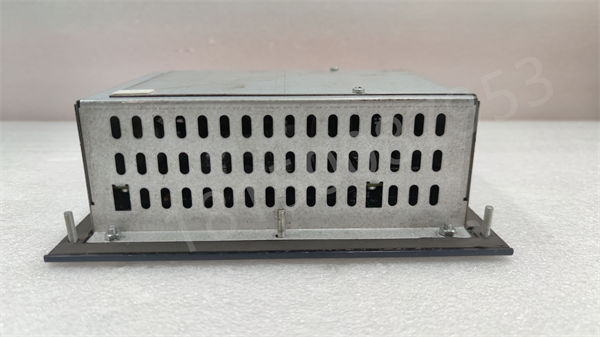
04380A TRICONEX
The TRICoNEX series of safety control systems can be widely used in industries, aerospace, shipbuilding, medical and other fields. Taking railway safety as an example, in areas along the railway, the TRICONEX series of products can not only monitor tunnels and railway lines, signal monitoring, pre accident prevention and control processing, and transmission processes, but also provide personnel safety information after accidents, as well as remote monitoring and monitoring of accident sites.
t the same time, the TRICONEX series of products can also be used for remote patrol inspection and monitoring of power lines in power construction. From another perspective, the TRICONEX series products can also be combined with other electronic control products to achieve automatic detection during electrical installation. From another perspective, the TRICONEX series security control system can be combined with other products to achieve real-time data collection and processing functions.
Rich I/O interfaces with strong scalability
The product simultaneously has 6 serial ports, 12 USB (8 * USB 3.2, 4 * USB 2.0), and supports 2x PCIe x16 (Gen3), 2x PCIe x4 (Gen2), 2x PCIe x1 (Gen1), and 1x PCI expansion slots. The powerful expansion performance provides strong support for users to achieve external high-speed network cards (users can use this network card to implement external 4K high-speed industrial inspection cameras) and high-performance graphics cards and other functional modules; In addition, the 16 bit programmable GPIO interface fully supports the connection of external monitoring devices, providing an efficient and convenient monitoring environment for staff
If immediate I/O instructions are used during program execution, I/O points can be directly accessed. If I/O instructions are used, the value of the input process image register will not be updated. The program takes values directly from the I/O module, and the output process image register will be immediately updated, which is somewhat different from immediate input.

After scanning the user program, the programmable logic controller enters the output refresh stage. During this period, the CPU refreshes all output latch circuits according to the corresponding state and data in the I/O image area, and then drives the corresponding peripheral devices through the output circuit. At this point, it is the true output of the programmable logic controller