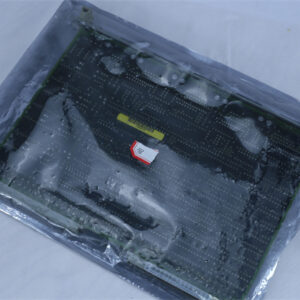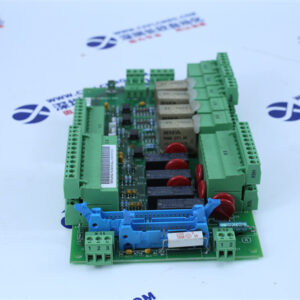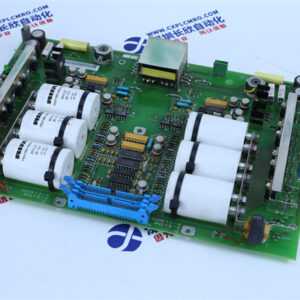

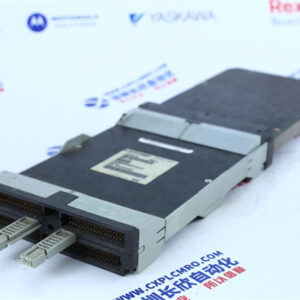
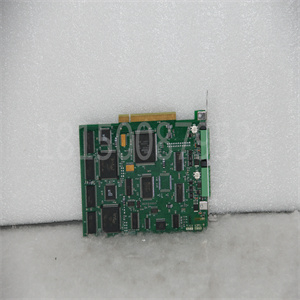
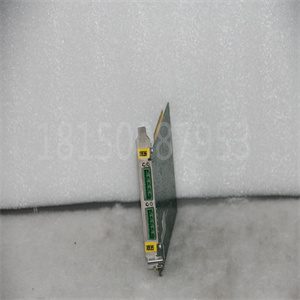

00-104-196 AB
Product information materials typically contain detailed information about a product, including its features, specifications, usage instructions, and safety precautions. The content of these materials can vary depending on the nature of the product, but commonly includes the following:
- Product description: A brief overview of the product, its purpose, and how it can benefit the user.
- Features and specifications: A list of the product’s key features and technical specifications, such as size, weight, dimensions, color options, and materials used.
- Usage instructions: Step-by-step instructions on how to properly use and assemble the product. This may include diagrams or illustrations to make the instructions more comprehensible.
- Safety precautions: Important safety information, warnings, and precautions that users should be aware of when using the product. This may include information about potential hazards, recommended age restrictions, and proper maintenance.
- Troubleshooting: Common issues or problems that users may encounter with the product and how to resolve them.
- Warranty and customer support: Information about any warranties or guarantees offered by the manufacturer, as well as contact details for customer support or service centers.
- Product certifications or compliance: Details about any certifications or compliance standards that the product meets, such as safety or environmental regulations.
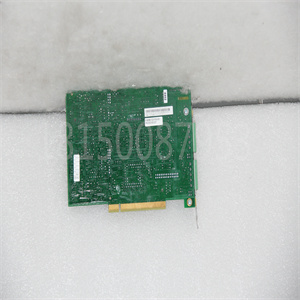
GALIL DMC-1780 8-AXIS ISA MOTION CONTROL BOARD
Fusion systems corporation 1/2 magnetron,High/Low pair
Allied telesis AT-MC1005/2 Media Converter 20KM NEW
SMC MYC25G-1065L Air Linear Actuators NEW
Elga Elgastat C118 Laboratory Deionisers with meter.
Yamaha SR1-X-20 Robot Controller
ESI CKA 63116 timer/communications module
ESI CKA 55110 axes control Module,

Parameters of product information materials refer to the specific requirements or guidelines that should be followed when creating these materials. Some common parameters include:
- Language: The materials should be written in a language that is easily understandable by the target audience. If the product is marketed internationally, translations may be necessary.
- Format: The materials can be in various formats, such as printed brochures, user manuals, online guides, or video tutorials.
- Clarity and readability: The content should be clear, concise, and easy to read. It should be organized in a logical manner and use appropriate font sizes, headings, and bullet points to enhance readability.
- Visual aids: The use of diagrams, illustrations, or photographs can help convey information more effectively, especially when explaining complex features or assembly instructions.
- Compliance with regulations: The materials should comply with any legal or regulatory requirements specific to the product or industry, such as safety labeling or warnings.
- Accessibility: Consideration should be given to making the materials accessible to users with disabilities, such as providing alternative formats or using plain language.
Overall, the content and parameters of product information materials should aim to provide customers with clear, accurate, and comprehensive information about the product, ensuring its safe and effective use.