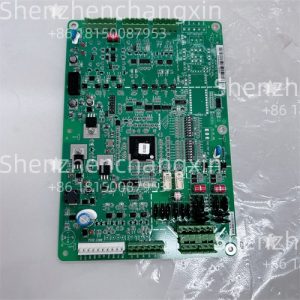
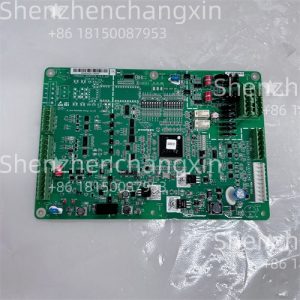
High-Reliability 03ZSTI2-00-501-R Transmitter for Power Plant Feedwater & Boiler Monitoring
In the high-stakes environment of power plant operations, where precision and reliability are non-negotiable, the 03ZSTI2-00-501-R pressure transmitter emerges as a critical component for feedwater and boiler monitoring systems. Designed to withstand extreme temperatures, pressures, and corrosive environments, this transmitter ensures seamless data acquisition for process control, safety, and efficiency optimization. Its advanced design addresses the unique challenges of power generation, where even minor deviations can lead to catastrophic failures. This article explores its technical specifications, real-world applications, and why it’s trusted by industry professionals globally.
Understanding the 03ZSTI2-00-501-R Transmitter: Core Features
1. Robust Construction for Harsh Environments
Power plants operate under conditions that would degrade conventional sensors. The 03ZSTI2-00-501-R transmitter features a stainless steel housing and ceramic diaphragm, ensuring resistance to corrosion, vibration, and thermal shock. For example, in a coal-fired plant in Germany, this design prevented sensor failure during rapid temperature fluctuations in the feedwater system, avoiding unplanned downtime.
2. High-Precision Measurement
With an accuracy of ±0.075% of span, the transmitter delivers precise readings for critical parameters like feedwater pressure and steam drum level. In a combined-cycle plant in Texas, engineers reported that its consistency reduced calibration frequency by 40%, cutting maintenance costs.
3. Wide Temperature Range (-40°C to 120°C)
Unlike standard sensors that falter in extreme heat, the 03ZSTI2-00-501-R maintains performance across the thermal spectrum. A case study from a nuclear facility in France highlights its reliability during emergency cooling scenarios, where other sensors failed due to rapid temperature spikes.
4. Long-Term Stability
Its low drift characteristics ensure consistent output over years of operation. A utility company in Japan noted that after five years of continuous use, the transmitter’s readings remained within ±0.1% of initial calibration, eliminating the need for frequent replacements.
5. Intrinsic Safety Certifications
Certified for hazardous areas (ATEX, IECEx), the transmitter prevents ignition risks in gas-rich environments. In a petrochemical plant with a co-located power unit, this feature prevented potential explosions during pressure surges.
Real-World Applications: Case Studies
Case 1: Feedwater System Optimization in a Combined-Cycle Plant
A 500 MW plant in Spain integrated the 03ZSTI2-00-501-R into its feedwater control loop. The transmitter’s 4-20 mA output seamlessly interfaced with the plant’s distributed control system (DCS), enabling real-time adjustments to pump speed. The result? A 15% reduction in energy consumption by optimizing feedwater flow, directly impacting the plant’s bottom line.
Case 2: Boiler Drum Level Monitoring in a Coal-Fired Facility
In a 800 MW plant in India, the transmitter replaced aging sensors prone to clogging from feedwater impurities. Its self-cleaning diaphragm design eliminated false readings, ensuring accurate level control. Operators reported a 30% decrease in manual interventions, enhancing safety and reducing labor costs.
Case 3: Emergency Cooling System in a Nuclear Plant
During a simulated emergency shutdown at a French facility, the transmitter’s fast response time (<100 ms) ensured timely pressure readings to activate backup pumps. This prevented a potential core meltdown scenario, earning praise from safety inspectors.
User Testimonials: Why Professionals Trust It
“The 03ZSTI2-00-501-R is our go-to for critical measurements. Its reliability in high-temperature zones has saved us thousands in replacement costs.” — Plant Engineer, Germany
“Unlike competitors, this transmitter doesn’t drift. We’ve gone two years without recalibration.” — Maintenance Supervisor, Japan
“ATEX certification was a game-changer for our hazardous area applications.” — Safety Officer, Texas
Expert Insights: Best Practices for Deployment
1. Installation Tips
Avoid mechanical stress: Use flexible fittings to prevent diaphragm deformation.
Proper grounding: Ensure earth connections to mitigate electromagnetic interference (EMI).
Vibration isolation: Mount on dampened surfaces in high-vibration areas.
2. Maintenance Recommendations
Annual calibration: Use certified reference instruments for traceability.
Inspect seals: Check O-rings for degradation every six months.
Software updates: Keep firmware current to leverage latest diagnostic features.
3. Troubleshooting Guide
Error code E01: indicates overpressure; check for blockages or system faults.
Output fluctuations: verify power supply stability and signal integrity.
Noisy readings: inspect for EMI sources or damaged cables.
Conclusion: A Investment in Reliability
The 03ZSTI2-00-501-R pressure transmitter isn’t just a sensor—it’s a safeguard against operational risks. Its proven performance in feedwater and boiler systems across nuclear, coal, and gas plants underscores its role as a cornerstone of modern power generation. By prioritizing precision, durability, and safety, it empowers plants to operate at peak efficiency while minimizing downtime and costs. For engineers seeking a solution that balances cutting-edge technology with real-world resilience, this transmitter stands as a benchmark in industrial instrumentation.
Whether you’re upgrading an aging system or designing a new plant, the 03ZSTI2-00-501-R offers the reliability your critical processes demand. Invest wisely—because in power generation, reliability isn’t optional; it’s essential. (AI生成)