
EATON XVS-430-10MPI-1-10
-
Product NameEaton XVS-430-10MPI-1-10 HMI Touch Screen Panel for Industrial Automation Control
-
Product DescriptionThe Eaton XVS-430-10MPI-1-10 is a high-performance human-machine interface (HMI) touch screen panel, belonging to Eaton’s XVS series of industrial visualization solutions. It is engineered to provide intuitive operation, real-time monitoring, and data interaction for industrial control systems, serving as a critical bridge between operators and field devices like PLCs, inverters, and sensors.This HMI features a 10-inch color touch screen with high resolution and wide viewing angle, ensuring clear display of process parameters, equipment status, and alarm information even in bright industrial environments. It supports the MPI (Multi-Point Interface) communication protocol, enabling seamless and fast data exchange with compatible controllers, and is configured with multiple communication ports for flexible system integration. The panel adopts a rugged industrial-grade design with a scratch-resistant touch screen and enclosed housing, offering strong resistance to electromagnetic interference, vibration, and temperature fluctuations.With user-friendly configuration software, it allows for easy customization of visualization interfaces, including parameter setting pages, trend charts, and alarm logs. It is widely applied in manufacturing lines, packaging machinery, building automation, and process control systems, helping operators to efficiently monitor and control production processes, reduce manual operation errors, and improve overall operational efficiency.
-
Product Parameters
Parameter Category Specific Content Display Parameters Screen size: 10 inches; Display type: TFT color touch screen; Resolution: 800×600 pixels (SVGA); Brightness: ≥ 300 cd/m²; Viewing angle: Horizontal ≥140°, Vertical ≥120°; Touch type: Resistive touch (multi-touch optional) Communication Parameters Supported protocols: MPI, Modbus RTU/TCP, Ethernet/IP (optional); Communication ports: 1×MPI port, 1×Ethernet port, 1×RS-485 port; Data transmission rate: Up to 100 Mbps (Ethernet) Power Supply Parameters Input voltage: 24 V DC ±20%; Power consumption: ≤ 25 W; Protection: Reverse polarity protection, overvoltage protection Environmental Adaptability Parameters Operating temperature range: 0°C to +50°C; Storage temperature range: -20°C to +60°C; Relative humidity: 10%–90% (non-condensing); Vibration resistance: IEC 60068-2-6 (5–500 Hz, 1 g rms); EMC compliance: EN 61000-6-2 (industrial immunity), EN 61000-6-4 (industrial emission) Performance Parameters CPU: 32-bit industrial processor; Memory: 128 MB RAM, 256 MB flash memory; Alarm capacity: Up to 1000 historical alarms; Trend recording: Support real-time and historical trend display -
Product Specifications
-
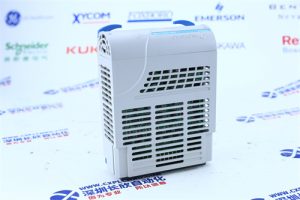
Specification Category Specific Content Physical Specifications Dimensions (W×H×D): 285 mm × 215 mm × 55 mm; Net weight: Approximately 1.8 kg; Housing material: Flame-retardant ABS plastic (UL94 V-0); Front panel protection grade: IP65; Rear housing protection grade: IP20 Installation Specifications Mounting method: Flush panel mounting (compatible with standard cutouts); Installation cutout dimensions: 259 mm × 188 mm; Supports wall-mounted or cabinet-mounted installation Functional Specifications Interface customization: Support graphic library, text, trend chart, alarm list; Language support: Multi-language (English, Chinese, German, etc.); Data logging: Support USB flash drive data export; Backup & restore: Support configuration file backup and recovery Certification & Compliance Certifications: CE, UL, CSA; Compliance standards: IEC 61131-2, EN 60947-5-1; Service life: MTBF (mean time between failures) ≥ 50,000 hours at 40°C Compatibility Specifications Fully compatible with Eaton PLCs (Easy, XPS series) and third-party controllers (Siemens, Allen-Bradley); Supports connection with inverters, sensors, and other field devices via standard protocols