Description
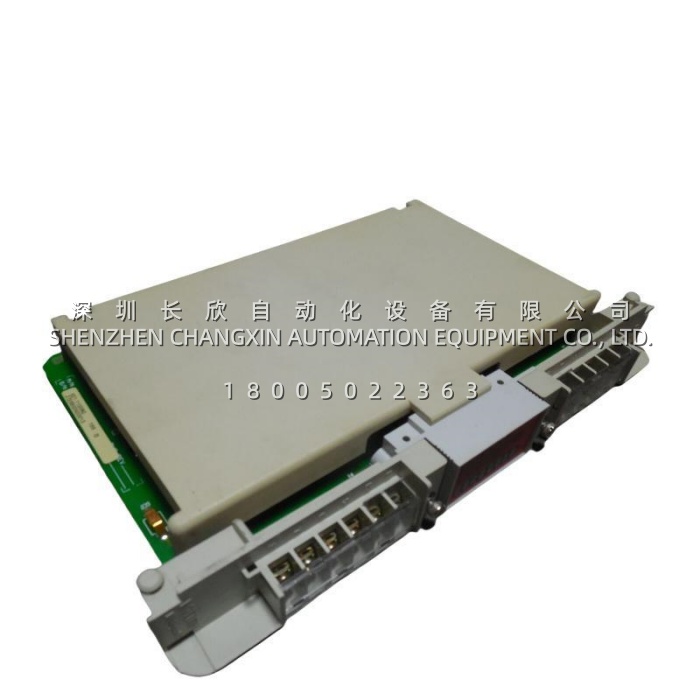
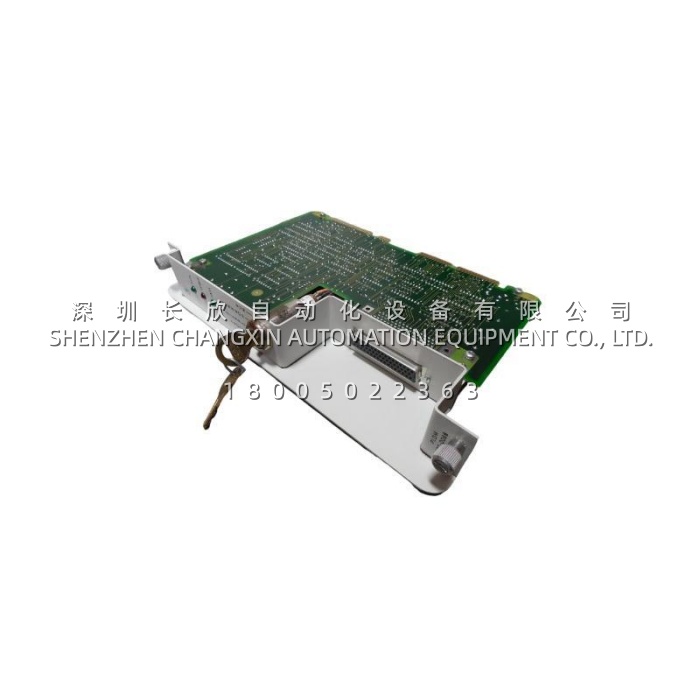
The Honeywell 621-1100RC is an 8-channel discrete input module from Honeywell’s 620/621 series I/O family, designed for the IPC 620 distributed control system and compatible with LC621 controllers . It captures field signals from limit switches, pushbuttons, relay auxiliary contacts, and thermal overload alarms, converting high-voltage AC/DC switch states into logic-level signals for the controller .
The “R” suffix is the key operational feature—it indicates the module supports hot-swap (rack-powered removal/insertion) capability, allowing replacement without powering down the entire I/O rack . The module accepts 115 VAC/DC nominal input with a wide tolerance range of 90-140 V, making it suitable for industrial environments with voltage fluctuations and long cable runs . Each of the 8 input points is grouped 4 per common return, and the module connects via a D-sub 9-pin connector .
Application Scenarios
A chemical plant runs its batch reactor sequencing on a legacy Honeywell IPC 620 system. One of the discrete input modules responsible for reading level switch and valve position feedback fails—the controller loses visibility of tank levels and interlock status. The module needs replacing, but the plant cannot afford to power down the entire reactor train; an outage would interrupt the batch process and lose product.
The 621-1100RC‘s “R” suffix addresses exactly this problem. With the rack powered on, maintenance pulls the failed module and slots in a replacement. The rest of the rack—controlling pumps, agitators, and other loops—continues operating uninterrupted. Within minutes, the level signals return, and the batch recipe continues. No full-system shutdown, no re-initialization, no batch loss .
This module’s application extends across chemical processing, power generation, refining, and manufacturing environments running legacy Honeywell 620-series I/O racks. For plants maintaining these vintage systems, the 621-1100RC serves as the critical interface between field devices and the control logic—the last line of defense before a failed input card becomes a production-stopping event .