
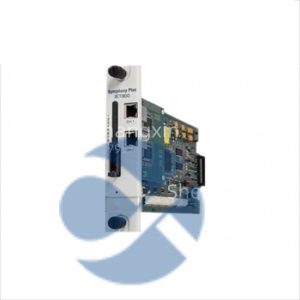
 ABB SPIET800: High-Performance Industrial Communication and Control Solutions
In the dynamic landscape of industrial automation, the ABB SPIET800 stands as a pivotal innovation, designed to enhance communication efficiency and control precision in complex systems. This module, with its robust architecture and versatile applications, addresses the critical needs of modern industrial environments, ensuring seamless data exchange and reliable operation. This article delves into the technical specifications, real-world applications, and industry insights surrounding the ABB SPIET800. providing a comprehensive understanding of its role in advancing industrial automation.
Technical Specifications and Core Features
The ABB SPIET800 is engineered to deliver high-performance communication and control capabilities, making it a cornerstone for industrial automation systems. Its technical specifications are tailored to meet the demands of diverse industrial applications, from manufacturing plants to power distribution networks.
Communication Protocols and Data Transmission
At the heart of the SPIET800 lies its support for multiple communication protocols, including EtherCAT and PROFINET. These protocols facilitate seamless data exchange between devices in a distributed control system (DCS), reducing latency and improving response times. The module’s ability to handle high-speed data transmission ensures that critical information is conveyed accurately and promptly, enhancing the overall efficiency of the industrial process. For instance, in a manufacturing plant, the SPIET800’s communication capabilities enable real-time monitoring and control of production equipment, minimizing downtime and maximizing output.
Processing Power and Performance
The SPIET800 is equipped with a high-performance processor that can handle complex control algorithms and tasks. This processing power is essential for executing intricate automation sequences, such as those found in robotics and CNC machining. The module’s ability to process data quickly and accurately ensures that control commands are executed with precision, leading to improved product quality and reduced errors. In a case study, a robotics manufacturer reported a significant increase in production efficiency after integrating the SPIET800 into their control systems, highlighting the module’s impact on operational performance.
Integration and Scalability
One of the standout features of the SPIET800 is its seamless integration into existing industrial networks. The module can be easily incorporated into a DCS, allowing for the expansion and升级 of control systems without the need for extensive reconfiguration. This scalability is particularly valuable in large-scale industrial projects where the addition of new equipment or the modification of existing systems is required. The SPIET800’s modular design also facilitates maintenance and upgrades, ensuring that the system remains up-to-date with the latest technological advancements.
Protection Mechanisms and Reliability
The SPIET800 includes integrated protection mechanisms that safeguard the communication and control systems from potential damage. These mechanisms include overvoltage protection, which monitors the input voltage and shuts down the system if it exceeds safe levels, and overload protection, which detects excessive current draw and initiates a shutdown sequence. The module’s robust construction and high-quality components further enhance its reliability, ensuring that it can operate in harsh industrial environments with minimal risk of failure.
Real-World Applications and Case Studies
The ABB SPIET800 finds application in a wide range of industrial and commercial settings, from manufacturing plants to power distribution systems. Its versatility and reliability make it a preferred choice for engineers and system designers looking to enhance the performance of their automation systems.
Manufacturing Plant Automation
In a leading automotive manufacturing plant, the SPIET800 is employed to control the assembly line’s robotic arms and conveyors. The module’s high-performance communication protocols and processing power enable precise coordination of multiple devices, ensuring that the assembly process remains smooth and efficient. The plant’s engineers reported a significant reduction in production errors and an increase in throughput after integrating the SPIET800 into their control systems, demonstrating the module’s value in enhancing manufacturing efficiency.
Power Distribution and Energy Management
In a power distribution substation, the SPIET800 is used to monitor and control the flow of electricity. The module’s ability to handle high-speed data transmission and execute complex control algorithms ensures that the power grid remains stable and efficient. In a case study, a utility company reported improved power quality and reduced downtime after implementing the SPIET800 in their substations, highlighting the module’s role in enhancing energy management.
Renewable Energy Systems
The SPIET800 is also finding applications in renewable energy systems, such as solar and wind power installations. In these systems, the module’s communication capabilities and processing power are essential for monitoring and controlling the energy production and distribution processes. The SPIET800’s ability to integrate into existing networks and handle variable input conditions makes it well-suited for these applications, ensuring that the renewable energy systems operate efficiently and reliably.
Industry Insights and Expert Recommendations
The ABB SPIET800 has garnered significant attention in the industrial automation sector due to its innovative features and reliable performance. Industry experts emphasize several key advantages of the module, including its communication capabilities, processing power, and integration flexibility.
Communication and Control Efficiency
Experts highlight the SPIET800’s communication protocols and data transmission capabilities as one of its most significant strengths. The module’s ability to facilitate seamless data exchange between devices in a DCS enhances the overall efficiency of the industrial process. In industries such as aerospace and medical device manufacturing, where precision and reliability are paramount, the SPIET800’s communication capabilities are crucial for meeting stringent quality standards.
Processing Power and Performance
The high-performance processor of the SPIET800 is also highly regarded by industry professionals. This processing power enables the module to handle complex control algorithms and tasks, making it suitable for applications that require precise and rapid control. In robotics and CNC machining, the SPIET800’s processing power ensures that control commands are executed with accuracy, leading to improved product quality and reduced production time.
Integration and Scalability
The SPIET800’s ability to integrate into existing industrial networks and its modular design are also emphasized by experts. These features allow for the expansion and升级 of control systems without the need for extensive reconfiguration, making the module a cost-effective solution for engineers and system designers. In large-scale industrial projects, the SPIET800’s scalability ensures that the system can adapt to changing requirements, maintaining its efficiency and reliability.
Conclusion
The ABB SPIET800 represents a significant advancement in industrial communication and control technology. Its high-performance communication protocols, robust processing power, and seamless integration capabilities make it a reliable and efficient solution for a wide range of applications. Whether in manufacturing plants, power distribution systems, or renewable energy installations, the SPIET800 demonstrates its value through stable operation, enhanced efficiency, and long-term可靠性. As industrial automation continues to evolve, the ABB SPIET800 stands as a testament to the importance of innovative communication and control solutions in ensuring the seamless operation of critical systems.