📝 Product Description
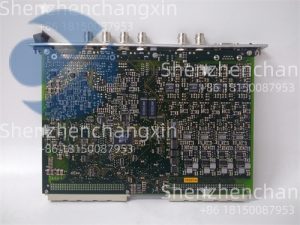
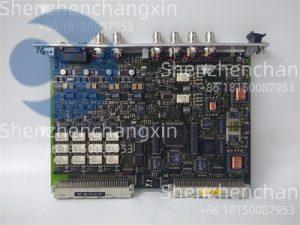
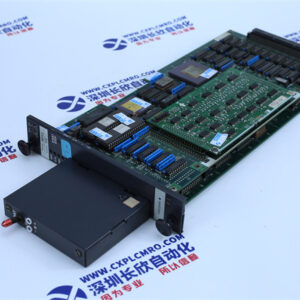
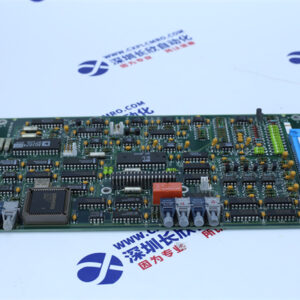
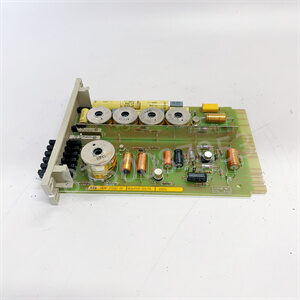
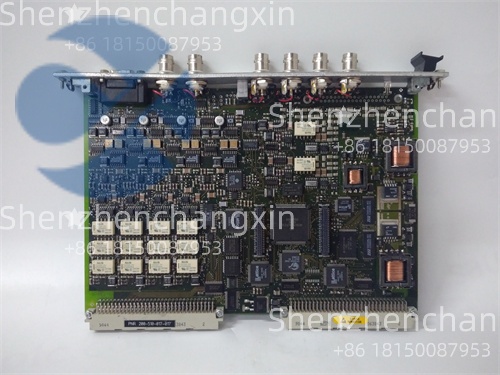
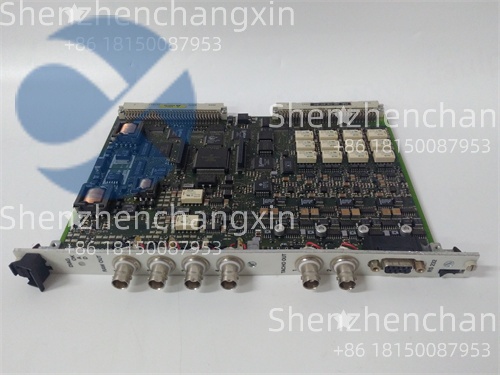
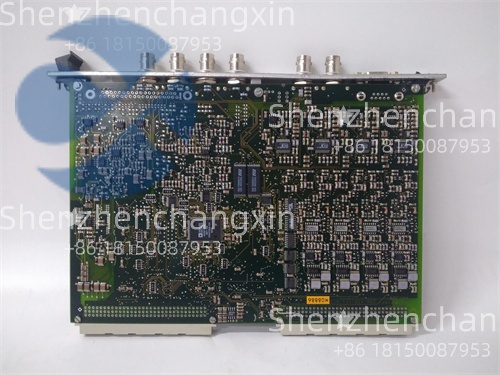
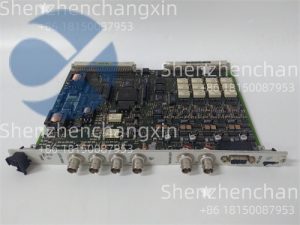
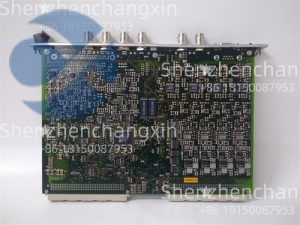
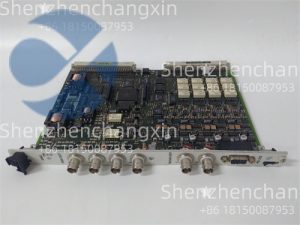
The Vibro-Meter 200-510-017-017 (associated with order code 200-510-111-013) is a Machinery Protection Card (MPC4) from the Vibro-Meter VM600 product line, now part of Meggitt Sensing Systems. This card is the core component of a machinery protection system (MPS), designed to continuously monitor the health of critical rotating equipment like gas turbines, compressors, and large pumps in industrial facilities. It processes signals from vibration, speed, and position sensors in real-time to detect faults and prevent catastrophic machine failures .
Product Type: Machinery Protection Card (MPC4)
Channels: 4 dynamic signal channels, 2 tachometer (speed) channels
Key Technology: Advanced Digital Signal Processing (DSP)
Safety Certification: SIL 1 (IEC 61508)
Hot-Swap Support: Yes
⚙️ Technical Specifications
🏭 Product Overview
The Vibro-Meter 200-510-017-017 MPC4 card is a critical component within the VM600 machinery protection system (MPS). It acts as the intelligent “guardian” of high-value rotating assets, performing real-time data acquisition and analysis from multiple sensors. Its primary function is to execute complex protection logic, triggering alarms or shutdowns when predefined thresholds for vibration, speed, or other parameters are exceeded, thereby preventing mechanical damage . This specific module, identified by the part numbers 200-510-017-017 and 200-510-111-013. is designed for high reliability and is a key part of ensuring the safety and availability of industrial processes .
💡 Key Features and Advantages
Innovation Point 1: High-Density, Multi-Parameter Monitoring. The MPC4 card stands out with its ability to handle four dynamic signal channels and two tachometer channels simultaneously. Each dynamic channel is independently configurable, allowing it to monitor a diverse range of parameters such as relative and absolute vibration, shaft eccentricity, thrust position, and dynamic pressure from a single card. This versatility eliminates the need for multiple single-channel monitors, simplifying system architecture and reducing overall cost .
Innovation Point 2: Advanced DSP and Integrated Diagnostics. At the heart of the 200-510-017-017 is a sophisticated Digital Signal Processor (DSP) that enables real-time processing with programmable filters, integration, and order tracking. Furthermore, the card features a built-in “OK system” that continuously monitors the entire measurement chain, including sensors and cabling. It can detect faults such as sensor failures or cable breaks, providing early warnings and vastly improving maintenance efficiency and system reliability .
Innovation Point 3: Certified Safety and Robust Design. This MPC4 card is designed for functional safety applications, supporting Safety Integrity Level (SIL) 1 per IEC 61508 standards. Its robust industrial design ensures operation in harsh environments, with a wide operating temperature range (0°C to 70°C) and support for hot-swapping. This allows for the replacement of a faulty card without shutting down the entire system, which is crucial for maximizing uptime in continuous process industries .
🌍 Application Scenarios
The Vibro-Meter 200-510-017-017 MPC4 is deployed in industries where unplanned downtime of rotating equipment leads to significant production or safety impacts.
In a combined-cycle power plant, the MPC4 card is essential for protecting gas and steam turbines. It continuously monitors blade path vibration, bearing vibrations, and shaft speed. If the vibration levels on the turbine exceed safe limits, the card’s logic solver triggers an alarm in the control room and, if the condition worsens, initiates a safe and controlled turbine trip through the associated relay cards. This action prevents catastrophic blade failure, which could result in weeks of downtime and millions in repair costs, thereby safeguarding both the asset and the plant’s revenue stream .
Similarly, in offshore oil and gas production, the card is used to monitor critical hydrocarbon compressors. It tracks axial displacement (thrust) and radial vibrations to detect early signs of bearing wear or rotor imbalance. The early warning provided by the 200-510-017-017 allows maintenance teams to schedule repairs during a planned turnaround, avoiding an unexpected compressor failure that could halt production on the platform .
🔍 Related Product Combination Solutions
A fully functional protection channel requires several components to work with the MPC4 card.
VM600 IOC4T: This is the mandatory Input/Output Communication card that forms a “card pair” with the MPC4. The IOC4T provides the communication interface, analog outputs, and local relays for the MPC4 .
VM600 CPUM: The Central Processing Unit Module acts as the system controller and data gateway for the entire VM600 rack, coordinating multiple MPC4 and other cards .
VM600 RLC16: A Relay Card that provides additional relay outputs for more complex interlocking and shutdown logic initiated by the MPC4 .
VM600 XMV16: An eXtended Measurement and Vibration card used for advanced condition monitoring, which can be installed in the same rack as the MPC4 for a more comprehensive system .
VM600 CMC16: A Communication Module that facilitates network connectivity and integration with plant DCS or SCADA systems .
Proximity Probes and Accelerometers: Sensors such as the 3300 XL Proximitor from Bently Nevada are the primary signal sources for the MPC4 card .
🛠️ Installation, Maintenance, and Full-Lifecycle Support
Installation and commissioning of the Vibro-Meter 200-510-017-017 MPC4 card should be performed by qualified personnel. The card is designed for installation into a VM600 system rack and must be paired with an appropriate IOC4T I/O communication card. It is critical to configure the card using the dedicated VM600 MPSx software to set parameters for each channel, including sensor type, scaling, and alarm setpoints. The hot-swap capability allows for maintenance without a full system shutdown, but proper procedures must be followed to ensure safety .
Routine maintenance primarily involves monitoring the card’s health through its front-panel LED indicators and the diagnostic information available via the software. The built-in “OK system” provides vital status on the sensor loops. For long-term support, it is essential to source genuine modules from reliable suppliers who can provide technical documentation and access to firmware updates. Given that this is an industrial component, ensuring a supply of quality spare parts is crucial for lifecycle management and minimizing operational risk