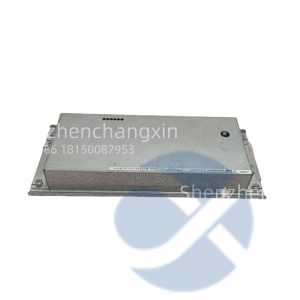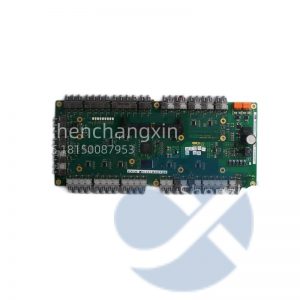
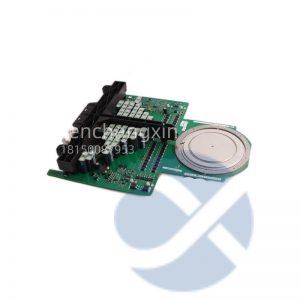
Mission-Critical ABB PCD235A101 Fieldbus Module – 12 Mbps, 126 Slaves, Zero Downtime
In the field of industrial automation, real-time performance and reliability are core elements for ensuring production continuity. With the advancement of Industry 4.0. the performance requirements for fieldbus modules are becoming increasingly stringent. The ABB PCD235A101 Fieldbus module, a communication solution specifically designed for critical tasks, has become a key component of industrial automation systems thanks to its 12 Mbps high-speed transmission, support for 126 slave devices, and zero downtime guarantee. This article will delve into its technical characteristics, application scenarios, and practical value, providing a reference for the industry.
I. Core Functions and Technical Advantages of the ABB PCD235A101 Fieldbus Module
The ABB PCD235A101 Fieldbus module is a fieldbus communication device specifically designed for industrial automation, integrating several advanced technologies to meet the demanding requirements of harsh industrial environments. Its core functions include:
12 Mbps High-Speed Data Transmission: The module supports a transmission rate of 12 Mbps, ensuring real-time data exchange and reducing communication delays. In high-speed production lines, this feature allows control commands to be quickly transmitted to actuators, significantly improving production efficiency. For example, in the automotive manufacturing industry, this module enables precise control of robotic arms through high-speed data transmission, reducing production cycle time.
Support for 126 Slave Devices: The module can simultaneously connect 126 slave devices, meeting the needs of large-scale industrial systems. This multi-device support capability makes system expansion more flexible, reducing hardware costs and wiring complexity. In the chemical industry, this module enables real-time monitoring across the entire plant by connecting multiple sensors and actuators, improving the transparency and controllability of the production process.
Zero Downtime Guarantee: The module employs a redundant design and fault self-recovery mechanism to ensure that the system automatically switches to a backup path in the event of a failure, avoiding production interruptions. For example, in the power industry, this module ensures the continuous operation of power plant control systems through redundant communication links, maintaining data transmission even if the main communication link fails.
Industrial-Grade Protection Design: The module is dustproof, waterproof, and vibration-resistant, enabling stable operation in harsh industrial environments. Its robust housing design effectively prevents physical damage, extending the equipment’s lifespan. In the mining industry, the module’s protective design ensures long-term reliability in dusty and vibrating environments.
II. Key Application Scenarios in Industrial Automation
The ABB PCD235A101 Fieldbus module is used in multiple industrial sectors, particularly excelling in scenarios requiring high reliability and real-time performance.
Automotive Manufacturing: In high-speed production lines, the module achieves precise control of robotic arms through 12 Mbps high-speed data transmission. One automotive manufacturer reported that after using this module, production line cycle time decreased by 15%, significantly improving production efficiency. The module’s multi-device connectivity also allows for more flexible system expansion, reducing hardware costs.
Chemical Industry: In chemical production processes, the module connects multiple sensors and actuators, enabling real-time monitoring across the entire plant. A chemical company reported that after deploying this module, the transparency and controllability of the production process significantly improved, reducing human error. Furthermore, the module’s zero downtime guarantee ensures the continuity of the production process, avoiding production losses due to communication interruptions.
Power Industry: In power plants and substations, the module ensures continuous operation of the control system through redundant communication links. A power company reported that even if the main communication link fails, the module can maintain data transmission through the backup link, preventing production interruptions. The module’s industrial-grade protective design also ensures long-term reliability in harsh environments.
III. Real-World Cases and Industry Evaluation: Verifying Performance and Reliability
Real-world application cases provide empirical evidence of the advantages of the ABB PCD235A101 Fieldbus module.
Case 1: Automotive Manufacturing Production Line Upgrade Project
An automotive manufacturing company faced challenges upgrading its outdated control system, which frequently experienced communication delays and insufficient device connectivity. After introducing the ABB PCD235A101 Fieldbus module, its 12 Mbps high-speed data transmission and support for 126 slave devices enabled real-time monitoring across the entire plant. The operations and maintenance team reported that fault diagnosis time was reduced to minutes, and system availability was significantly enhanced.
Case 2: Chemical Company Real-Time Monitoring System
In the chemical production process, the module was deployed to multiple sensors and actuators. Designed to withstand high dust and vibration environments, its protective design ensures long-term stable operation. User reports indicate that the enhanced real-time monitoring capabilities have significantly improved the transparency and controllability of the production process, reducing human error.
Industry experts widely affirm its value. For example, a senior engineer at an automation research institute emphasized: “The ABB PCD235A101 Fieldbus module’s 12 Mbps high-speed data transmission and zero downtime guarantee provide a reliable communication solution for industrial automation, especially in scenarios requiring high real-time performance and reliability, where its performance is exceptional.”
IV. Expert Recommendations and Future Outlook
To maximize the benefits of the ABB PCD235A101 Fieldbus module, industry experts recommend prioritizing system integration and personnel training. During the planning phase, the compatibility of existing systems should be evaluated to ensure seamless collaboration between the module and control equipment such as PLCs and DCSs. Simultaneously, technical training for the operation and maintenance team should be strengthened to fully utilize its diagnostic functions and enable preventive maintenance.
Looking ahead, with the popularization of the Industrial Internet of Things (IIoT), the module’s communication and data processing capabilities will be further enhanced. For example, by integrating edge computing capabilities, the module can perform local data analysis and decision-making, reducing reliance on higher-level systems and further improving the response speed and reliability of the control system.