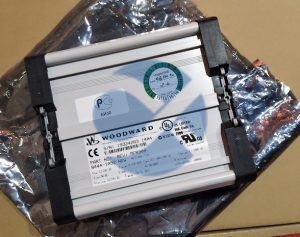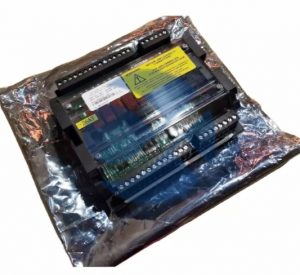
In the high-stakes environment of gas turbine operations, where precision and reliability are non-negotiable, the WOODWARD 8200-226 Engineered Control Module emerges as a pivotal component for auxiliary systems. This advanced module is meticulously designed to enhance the performance and safety of gas turbines by providing precise control over critical auxiliary functions. Its integration into gas turbine systems ensures optimized operation, reduced downtime, and enhanced efficiency, making it a cornerstone in modern power generation and industrial applications. This article delves into the technical intricacies, real-world applications, and expert insights surrounding the WOODWARD 8200-226. offering a comprehensive guide for industry professionals.
Introduction to the WOODWARD 8200-226 Engineered Control Module
The WOODWARD 8200-226 is a sophisticated servo position controller (SPC) module, specifically engineered for gas turbine auxiliary systems. It is part of the renowned Woodward 505D series, celebrated for its robustness and advanced functionality in turbine control applications. The module’s design philosophy centers on delivering high accuracy, redundancy, and adaptability to meet the demanding requirements of gas turbine operations. Its ability to accept DeviceNet or 4-20 milliampere position demand signals from system controllers enables precise control over proportional and integrating servo valves, which are critical for maintaining optimal turbine performance.
Key Features and Benefits
Precision Control: The module excels in accurately positioning servo valves, ensuring consistent fuel flow and steam pressure management. This precision is vital for maintaining turbine efficiency and preventing operational disruptions.
Redundancy Capabilities: Designed with redundancy in mind, the 8200-226 can process feedback signals from two redundant AC devices or a single DC device. This feature ensures continuous operation even in the event of a component failure, significantly enhancing system reliability.
Robust Environmental Performance: The module is built to withstand harsh industrial environments, including high temperatures and electromagnetic interference. Its durable construction guarantees long-term operation with minimal maintenance, making it ideal for outdoor and exposed installations.
Advanced Diagnostics: Integrated self-diagnostic capabilities allow for early detection of potential issues, enabling proactive maintenance and reducing unexpected downtime. This feature is particularly valuable in critical applications where system failure can lead to substantial losses.
Technical Specifications and Performance
Core Specifications
Control Output: The module supports multiple output modes, including PWM (Pulse Width Modulation) and step signals, which are essential for driving various types of servo valves with high precision.
Input Signal Compatibility: It accommodates a range of input signals such as analog (4-20mA), current, and voltage inputs, ensuring seamless integration with diverse control systems and sensors.
Environmental Resilience: The module operates effectively across a wide temperature range, from -25°C to +60°C, and features IP20 protection against dust and moisture. These attributes make it suitable for deployment in challenging industrial settings.
Communication Capabilities: With support for DeviceNet communication, the module facilitates seamless integration into larger control networks, enabling remote monitoring and adjustments for enhanced operational flexibility.
Performance Advantages
Enhanced Efficiency: By ensuring precise valve control, the module helps optimize fuel consumption and steam usage, leading to significant energy savings and reduced operational costs.
Improved Safety: Its ability to maintain consistent control parameters minimizes the risk of system overpressure or fuel leaks, enhancing workplace safety and compliance with industry standards.
Reduced Maintenance Needs: The advanced diagnostics and durable design contribute to lower maintenance requirements, translating into cost savings and increased operational uptime.
Real-World Applications and Case Studies
Industry Applications
The WOODWARD 8200-226 is extensively utilized in power plants, oil and gas facilities, and other industrial environments where gas turbine auxiliary systems are critical. Its application in these settings demonstrates its versatility and effectiveness in managing complex systems under demanding conditions.
Case Study: Power Plant Efficiency Enhancement
In a recent implementation at a leading power plant, the 8200-226 module was integrated into the turbine control system to improve auxiliary valve precision. The result was a measurable increase in operational efficiency, with reduced fuel consumption and enhanced steam pressure stability. Plant operators reported smoother system transitions and fewer manual adjustments, highlighting the module’s role in streamlining operations and boosting productivity.
User Testimonials
Industry experts and end-users have praised the WOODWARD 8200-226 for its reliability and ease of use. One user noted, “The module’s precision control and redundancy capabilities have significantly improved our gas turbine’s performance, reducing downtime and maintenance costs.”
Expert Insights and Recommendations
Installation Best Practices
Experts recommend thorough planning during installation to ensure optimal performance. This includes verifying compatibility with existing systems and conducting comprehensive testing post-installation to validate system integration.
Maintenance Tips
Regularly updating firmware and conducting routine checks are advised to maintain peak performance. These practices help in early issue detection and prevention, ensuring long-term reliability.
Future Trends
The industrial sector is moving towards more integrated and smart control systems. The WOODWARD 8200-226. with its advanced features, is positioned to lead this transition, offering solutions that align with emerging industry trends.
Conclusion
The WOODWARD 8200-226 Engineered Control Module represents a significant advancement in gas turbine auxiliary system technology. Its precision, redundancy, and robust performance make it an invaluable asset for industries reliant on accurate control of critical auxiliary functions. By enhancing efficiency, safety, and reliability, it not only meets current industrial demands but also anticipates future needs, ensuring its relevance in evolving technological landscapes.