
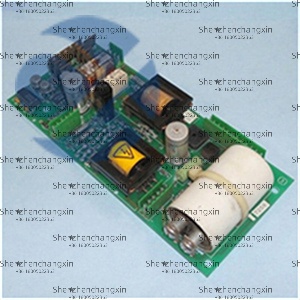
ABB SAFT189TSI Non-Volatile Memory Protection Battery for PM864/PM866 CPUs
In industrial automation, the integrity of control system data is paramount. Unexpected power outages or system failures can lead to catastrophic production losses if critical parameters like program logic, calibration data, or historical logs are lost. The ABB SAFT189TSI lithium-ion battery serves as the guardian of non-volatile memory (NVM) in PM864/PM866 CPU modules, ensuring seamless continuity even during power disruptions. This article explores its technical specifications, real-world applications, and best practices for deployment.
Core Functionality: Why NVM Protection Matters
1.1 The Role of Non-Volatile Memory in Industrial CPUs
Industrial CPUs like the PM864/PM866 rely on NVM to store essential data beyond power cycles. Unlike volatile RAM, which loses data when power is cut, NVM retains configurations, alarms, and process variables. The SAFT189TSI battery acts as a fail-safe power source during outages, preventing data corruption or loss. For instance, in a chemical plant’s distributed control system (DCS), a sudden blackout could erase weeks of process optimization data without such protection, leading to costly downtime and re-calibration.
1.2 Technical Specifications
Battery Type: Lithium-ion (Li-ion), known for its high energy density and long cycle life compared to older nickel-based alternatives.
Voltage Range: Operates within 2.8–3.6V, ensuring stable power delivery to the CPU’s NVM circuitry.
Endurance: Designed for 3–5 years of service under typical industrial conditions, with a low self-discharge rate (<2% per month).
Temperature Tolerance: Functions reliably from -20°C to +60°C, making it suitable for harsh environments like steel mills or outdoor substations.
Safety Features: Includes overcharge protection, short-circuit prevention, and thermal cutoffs to mitigate risks of leakage or failure.
1.3 Real-World Impact: Case Study from a Steel Mill
A steel manufacturer in Germany faced frequent power fluctuations due to nearby heavy machinery. Before installing the SAFT189TSI battery, their PM866 CPU experienced data loss during outages, requiring manual reconfiguration of furnace temperature profiles. Post-installation, the battery ensured NVM integrity during 12 power disruptions over two years. The plant reported zero data loss incidents, reducing unplanned downtime by 65%. Maintenance logs showed the battery’s voltage remained within specifications throughout its lifespan, underscoring its reliability.
User Experiences and Expert Insights
2.1 User Testimonials
Positive Feedback:
“The SAFT189TSI eliminated our data recovery headaches. It’s the unsung hero of our control system.” — Automation Engineer, Chemical Plant.
“Switching from Ni-Cd to Li-ion was a game-changer. Longer life, no memory effect, and better performance in cold environments.” — Maintenance Technician, Oil Refinery.
Challenges:
“Initial cost is higher, but the ROI is clear when you avoid production losses.” — Plant Manager, Food Processing Facility.
2.2 Best Practices for Deployment
Installation:
Follow ABB’s guidelines for polarity and mounting orientation to avoid short circuits.
Use shielded cables to minimize electromagnetic interference (EMI) in high-noise areas.
Maintenance:
Check voltage annually using a multimeter; replace if readings fall below 2.8V.
Keep spare batteries on-site for critical systems to reduce response time during failures.
Troubleshooting:
If the CPU’s “Battery Low” LED activates, replace the battery promptly to prevent data loss.
For persistent issues, consult ABB’s diagnostic tools to rule out CPU or power supply faults.
Industry Context: Why This Technology Matters
3.1 Comparison with Alternatives
Ni-Cd Batteries: Older Ni-Cd cells suffer from “memory effect,” where incomplete discharges reduce capacity over time. They also have lower energy density and require more frequent replacements.
Supercapacitors: While offering fast charge/discharge, they lack the longevity and energy density for long-term NVM backup.
MRAM ( Magnetoresistive RAM): Emerging non-volatile technologies like MRAM promise faster switching and higher endurance but are not yet cost-effective for industrial backup applications.
3.2 Future Trends
As Industry 4.0 pushes for smarter, more resilient systems, the demand for reliable NVM protection will grow. The SAFT189TSI exemplifies how mature Li-ion technology can address immediate needs while paving the way for integration with advanced diagnostics and predictive maintenance tools.
Conclusion: A Critical Investment for Industrial Continuity
The ABB SAFT189TSI battery is not just a component—it’s a safeguard against data loss, downtime, and revenue erosion. Its proven performance in steel, chemical, and energy sectors highlights its role as a cornerstone of industrial reliability. For engineers and plant managers, prioritizing NVM protection is a strategic move to future-proof operations against the unpredictable nature of industrial environments.
By understanding its specifications, learning from real-world deployments, and adhering to best practices, users can maximize the battery’s lifespan and ensure their control systems remain operational even when the power goes out.

