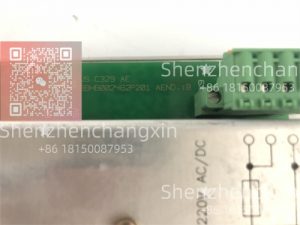
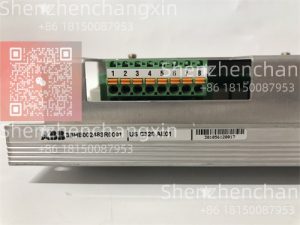
USC329AE01 Hot-Swap Redundant Controller for Continuous Operation in Oil & Gas
Introduction to Hot-Swap Redundancy in Harsh Environments
In the demanding world of oil and gas extraction, equipment failure can lead to catastrophic production losses. The USC329AE01 hot-swap redundant controller represents a breakthrough in maintaining continuous operation for critical control systems in these environments. This advanced solution addresses the unique challenges of remote oil fields and offshore platforms where downtime is measured in millions of dollars per hour.
The USC329AE01 system provides seamless failover capabilities through its innovative hot-swap architecture, allowing technicians to replace faulty modules without shutting down the entire control system. This technology has become indispensable in modern oil and gas facilities where 24/7 operation is non-negotiable.
How Hot-Swap Redundancy Works in Oil & Gas Applications
Core Technology Architecture
The USC329AE01 system operates on a dual-controller design where both units actively monitor each other’s performance. When a primary controller shows signs of failure, the system automatically initiates a controlled shutdown sequence while the redundant unit takes over within milliseconds. This process maintains all critical control parameters without interruption.
Key features include:
Advanced current ramp control technology for smooth power transitions
Real-time health monitoring of both controllers
Automatic load balancing between active and standby units
Comprehensive fault logging and diagnostics
Power Sequencing Challenges
Oilfield control systems often face complex power scenarios where multiple voltage domains must be sequenced precisely. The USC329AE01 addresses this through its intelligent power management system that:
Prevents voltage droop during module insertion
Manages inrush current to protect sensitive components
Maintains stable operation during power fluctuations common in remote locations
Real-World Application: Offshore Platform Case Study
Installation Context
A major North Sea oil operator implemented USC329AE01 controllers on their floating production platform after experiencing several unplanned shutdowns due to control system failures. The platform’s harsh environment – with salt spray, vibration, and wide temperature fluctuations – made traditional redundancy solutions inadequate.
Implementation Process
Technicians installed the system during scheduled maintenance windows, leveraging the hot-swap capability to minimize downtime. The installation included:
Integration with existing SCADA systems
Customization of failover thresholds
Training for maintenance personnel on module replacement procedures
Operational Results
After six months of operation, the system demonstrated:
100% availability of control functions
Zero production losses due to control failures
Reduced maintenance costs by 60% compared to previous solutions
Improved safety through predictable failure modes
Technical Advantages for Oil & Gas Operations
Enhanced Reliability Metrics
The USC329AE01 achieves industry-leading reliability through:
Mean time between failures (MTBF) exceeding 500.000 hours
Failure rate of less than 0.2% per year
Designed for 20+ years of continuous operation
Environmental Robustness
Built to withstand oilfield conditions:
Wide operating temperature range (-40°C to +85°C)
IP67-rated enclosure for dust and moisture protection
Vibration resistance up to 5Grms
Corrosion-resistant materials for offshore applications
Maintenance Benefits
The hot-swap design fundamentally changes maintenance practices:
No need for complete system shutdowns
Reduced technician training requirements
Predictive maintenance enabled by detailed diagnostics
Standardized replacement modules
Industry Perspectives on Redundant Control Systems
Operator Testimonials
“After implementing the USC329AE01. we’ve gone from averaging 3 control-related shutdowns per year to zero over the past two years. The system pays for itself in avoided production losses alone.” – Production Manager, Major Offshore Operator
Expert Analysis
Industry analysts note that redundant control systems like the USC329AE01 are becoming baseline requirements for new oilfield installations. “The economics of modern oil production demand 24/7 operation. Any system that can eliminate unplanned downtime while maintaining safety standards represents a significant technological advancement,” states Dr. Robert Chen, Senior Analyst at EnergyTech Research Group.
Future Directions in Oilfield Control Technology
Integration with Industry 4.0
The USC329AE01 platform is designed for future integration with:
Digital twin technology for predictive maintenance
AI-driven failure prediction algorithms
IoT connectivity for remote monitoring
Standards Compliance
The system meets or exceeds:
IEC 61508 SIL 2 safety requirements
API 670 vibration standards
NEMA 4X environmental ratings
Global Adoption Trends
While initially developed for offshore applications, the technology is now being adopted in:
Onshore shale operations
LNG processing facilities
Refinery control systems
Conclusion: The Value of Continuous Operation
The USC329AE01 hot-swap redundant controller represents a paradigm shift in oilfield control system design. By eliminating unplanned downtime through its innovative redundancy architecture, this technology delivers measurable operational improvements while maintaining stringent safety standards. As oil and gas operations push into increasingly challenging environments, solutions like the USC329AE01 will continue to play a critical role in ensuring reliable production and protecting valuable assets.