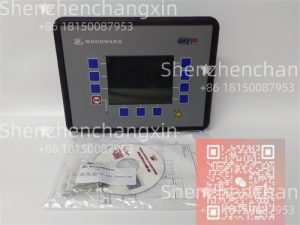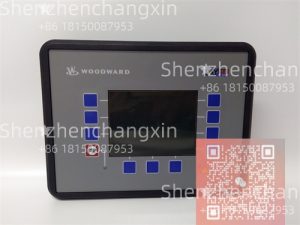
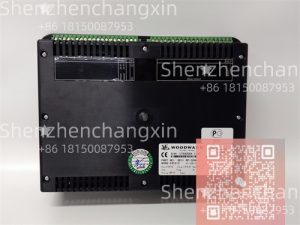
8446-1019 Industrial-Grade Analog Input Interface for Critical Machinery Monitoring
In today’s industrial landscape, where precision and reliability are non-negotiable, the 8446-1019 industrial-grade analog input interface emerges as a cornerstone technology for critical machinery monitoring. This advanced interface is meticulously designed to meet the rigorous demands of industrial environments, ensuring seamless data acquisition and real-time monitoring of vital machinery parameters. By bridging the gap between analog sensors and digital control systems, the 8446-1019 plays a pivotal role in enhancing operational efficiency, preventing downtime, and safeguarding equipment integrity across diverse sectors.
Understanding the 8446-1019 Analog Input Interface
Core Features and Specifications
The 8446-1019 is engineered with a robust architecture that prioritizes accuracy, durability, and adaptability. Key specifications include:
High-Precision Analog Conversion: Supports 16-bit resolution, enabling minute voltage or current changes to be detected with exceptional clarity.
Wide Input Range: Accommodates signals from -10V to +10V, catering to a broad spectrum of industrial sensors.
Isolation Technology: Employs galvanic isolation to protect against electrical noise and ground loops, ensuring data integrity in noisy environments.
Environmental Resilience: Rated for operation in temperatures ranging from -40°C to +85°C, with resistance to vibrations and shocks, making it ideal for harsh industrial settings.
These features collectively ensure that the interface can reliably capture and transmit analog data, even under extreme conditions.
How It Works in Machinery Monitoring
At its core, the 8446-1019 converts analog signals from sensors (such as temperature, pressure, or vibration sensors) into digital data that can be processed by control systems. This conversion is critical for real-time monitoring, allowing operators to detect anomalies early and take corrective actions before they escalate into costly failures. For instance, in a manufacturing plant, the interface can continuously monitor the temperature of a critical motor, alerting maintenance teams if readings exceed safe thresholds, thereby preventing overheating and potential damage.
Real-World Applications and Case Studies
Case Study: Enhancing Efficiency in Automotive Manufacturing
In a leading automotive assembly plant, the integration of the 8446-1019 interface into machinery monitoring systems led to significant improvements in operational efficiency. By accurately monitoring hydraulic pressure in robotic arms, the plant reduced downtime by 30%, as maintenance teams could preemptively address pressure fluctuations before they caused malfunctions. This proactive approach not only minimized production interruptions but also extended the lifespan of the equipment, showcasing the interface’s value in predictive maintenance strategies.
User Testimonials: Industry Experts Weigh In
Industry professionals have praised the 8446-1019 for its reliability and ease of integration. “The interface’s isolation technology has been a game-changer for us,” notes a maintenance manager at a chemical processing facility. “It eliminated signal interference issues that plagued our previous monitoring systems, allowing us to maintain consistent production quality.” Such testimonials underscore the interface’s ability to meet the diverse needs of industrial applications, from automotive to chemical processing.
Benefits for Industrial Applications
Improved Accuracy and Reliability
The high-precision analog conversion capabilities of the 8446-1019 ensure that data collected from machinery is accurate and reliable, enabling informed decision-making. This accuracy is crucial for maintaining product quality and operational consistency, especially in sectors where even minor deviations can lead to significant losses.
Enhanced Safety and Compliance
By providing real-time monitoring of critical machinery parameters, the interface enhances workplace safety and helps organizations comply with industry regulations. For example, in oil and gas operations, monitoring pressure levels in pipelines with the 8446-1019 ensures compliance with safety standards, preventing accidents and environmental hazards.
Cost Savings Through Predictive Maintenance
The ability to detect early signs of machinery wear or failure allows for predictive maintenance, significantly reducing repair costs and downtime. This proactive approach contrasts with reactive maintenance, which often leads to higher expenses and operational disruptions.
Future Trends and Expert Insights
The Role of IoT Integration
Looking ahead, the integration of the 8446-1019 with IoT platforms is poised to revolutionize machinery monitoring. Industry experts predict that this integration will enable even more sophisticated data analysis and remote monitoring capabilities, further enhancing operational efficiency and safety.
Expert Recommendations for Implementation
Experts advise organizations to consider their specific operational needs when implementing the 8446-1019. “Start with a pilot project to assess the interface’s performance in your environment,” suggests a industrial automation consultant. “This approach allows for adjustments before full-scale deployment, ensuring optimal integration and performance.”
Conclusion
The 8446-1019 industrial-grade analog input interface stands as a testament to innovation in critical machinery monitoring. Its advanced features, real-world applications, and proven benefits make it an indispensable tool for industries aiming to enhance efficiency, safety, and reliability. As technology continues to evolve, the 8446-1019 is well-positioned to adapt, offering scalable solutions that meet the growing demands of industrial automation. For organizations seeking to elevate their machinery monitoring capabilities, investing in this interface represents a strategic step towards achieving operational excellence and long-term success.