.jpg)
.jpg)
-300x300.jpg)
-300x300.jpg)
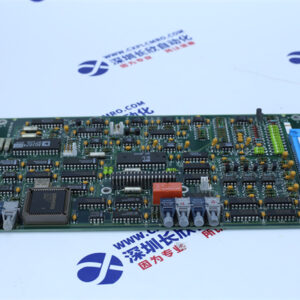
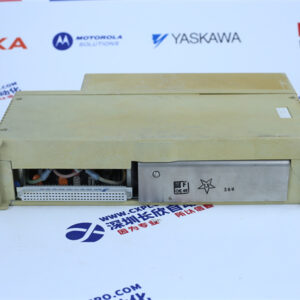
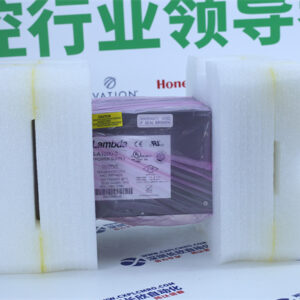
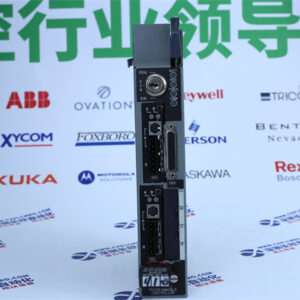
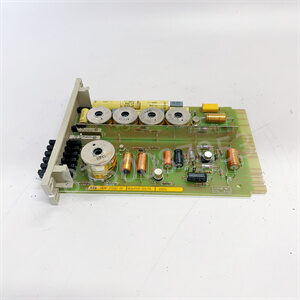
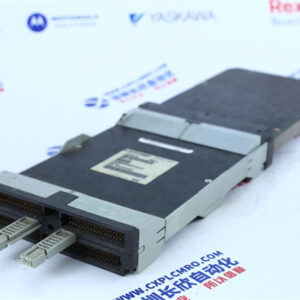
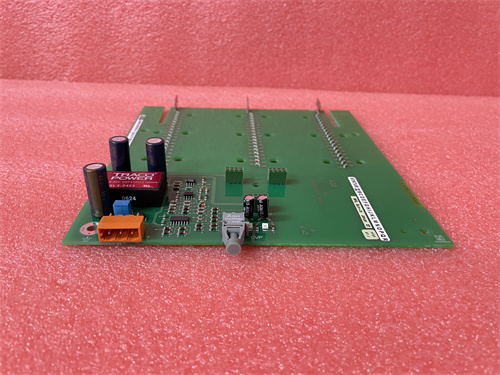
IS420ESWBH2A
Product Description
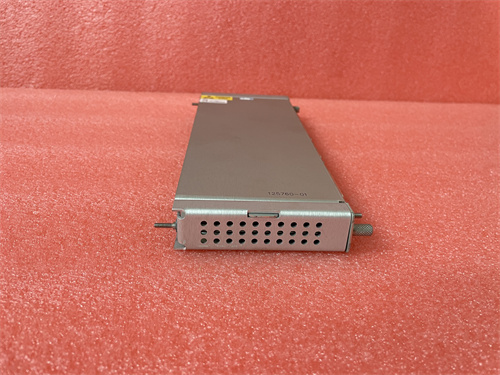
The GE IS420ESWBH2A is a critical component designed for the excitation systems of industrial generators. It serves as a web interface module, enabling remote monitoring and control of the excitation system, which is essential for maintaining the stability and efficiency of power generation.
1. Web – Based Monitoring and Control
This module provides a user – friendly web interface that allows operators to monitor and control the excitation system from any location with network access. Through the web interface, operators can view real – time data such as generator voltage, field current, and system status. They can also adjust control parameters, perform diagnostic tests, and receive alerts in case of abnormal conditions. This remote accessibility significantly improves the efficiency of system operation and reduces the need for on – site personnel.
This module provides a user – friendly web interface that allows operators to monitor and control the excitation system from any location with network access. Through the web interface, operators can view real – time data such as generator voltage, field current, and system status. They can also adjust control parameters, perform diagnostic tests, and receive alerts in case of abnormal conditions. This remote accessibility significantly improves the efficiency of system operation and reduces the need for on – site personnel.
2. Communication and Integration
The IS420ESWBH2A module supports multiple communication protocols, such as Modbus TCP and Ethernet/IP. This enables seamless integration with other control systems, such as distributed control systems (DCS) or supervisory control and data acquisition (SCADA) systems. By integrating with these systems, the excitation system can be coordinated with other parts of the power generation process, ensuring optimal overall performance.
The IS420ESWBH2A module supports multiple communication protocols, such as Modbus TCP and Ethernet/IP. This enables seamless integration with other control systems, such as distributed control systems (DCS) or supervisory control and data acquisition (SCADA) systems. By integrating with these systems, the excitation system can be coordinated with other parts of the power generation process, ensuring optimal overall performance.