
IS210BPPCH1AD
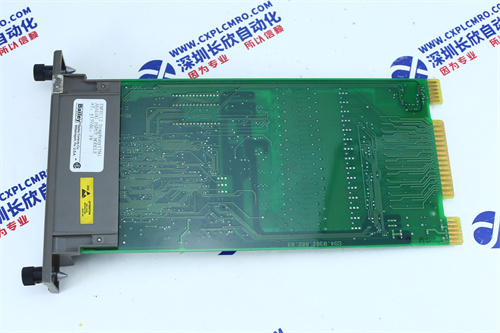
The product is named the IS210BPPCH1AD module, which is an I/O pack processor board manufactured by General Electric.
2. Product Description
2.1 General Function
The IS210BPPCH1AD module is a crucial component within General Electric’s Mark VI turbine control system series. It functions as an interface that bridges the gap between different parts of the control system. Its primary tasks include processing data received from various sensors and input devices, and then transmitting the processed data to other components within the I/O pack. It also manages the communication between different modules in the system, ensuring seamless data flow. Additionally, the module is involved in power management for the I/O pack, providing stable power supply to the connected components.
2.2 Applications
- Power Generation Industry: In power plants, especially those using gas, steam, or wind turbines, the IS210BPPCH1AD module is extensively used. For gas and steam turbines, it helps in precisely controlling the turbine’s speed, load, and other operating parameters. By processing data from sensors that monitor temperature, pressure, and rotational speed, it can adjust the fuel supply, steam flow, or blade pitch to optimize power generation efficiency. In wind turbines, it can manage the yaw and pitch control systems, ensuring that the turbine blades are always in the most efficient position to capture wind energy.
- Oil and Gas Industry: In oil refineries and gas processing plants, this module plays a vital role. It can be used to control the operation of pumps, compressors, and valves. For example, in an oil pipeline system, it can receive signals from flow meters and pressure sensors and send control signals to adjust the speed of pumps, ensuring a steady flow of oil. In a gas processing plant, it can control the compression and separation processes by managing the operation of compressors and valves based on the data from various sensors.
- Industrial Automation in Manufacturing: In manufacturing plants, the IS210BPPCH1AD module can be integrated into automated production lines. It can interface with robotic arms, conveyor belts, and other automated equipment. For instance, it can receive signals from proximity sensors that detect the position of parts on a conveyor belt and send control signals to the robotic arm to pick up and assemble the parts accurately. It can also control the speed and operation of conveyor belts to ensure a smooth production flow.
2.3 Features
- Factory – Drilled Mounting Holes: Each corner of the IS210BPPCH1AD board is factory – drilled. This feature allows for easy and secure mounting to a larger circuit board using standoffs with screw mounts. The screw mounts are conveniently located close to rounded cutouts along the long sides of the board, facilitating installation and providing stability.
- Double – Sided Board with SMT Technology: The module is a double – sided board that utilizes Surface Mount Technology (SMT). SMT enables maximum use of space on the board, allowing for the integration of a large number of components. This not only makes the board more compact but also improves its performance and reliability.
- Rich Hardware Components on the Top Side: The top side of the board is equipped with a variety of hardware components. It includes two Ethernet ports, which are used for high – speed data communication within the control system. There is also a small inductor or choke, which helps in regulating the electrical current. Additionally, it has diodes, resistors, capacitors, transistors, and multiple integrated circuits. These components work together to perform functions such as signal conditioning, amplification, and data processing. The board also features several resistor network arrays, which are used for specific electrical functions like voltage division and signal termination.
- Capacitors, Resistors, and Diodes on the Bottom Side: The bottom surface of the board is primarily occupied by capacitors, resistors, and diodes. These components are part of the voltage suppression and regulation strategy of the Mark VI turbine control system series. Capacitors help in filtering electrical noise, resistors control the flow of current, and diodes protect the board from reverse voltage.
3. Product Parameters
- Electrical Parameters:
- Operating Voltage: While the exact operating voltage details may vary depending on the specific application and power supply design within the Mark VI system, it is designed to operate within the voltage range commonly used in industrial control systems, which is typically around 24V DC. However, it can tolerate a certain voltage tolerance, usually within ±10% of the rated voltage, to account for normal power supply fluctuations.
- Power Consumption: The power consumption of the IS210BPPCH1AD module depends on its operating mode and the tasks it is performing. When actively processing data and communicating with other components, it may consume a relatively higher amount of power. On average, it may consume several watts, but specific power consumption values can be obtained from the detailed technical documentation provided by General Electric.
- Data Processing and Communication Parameters:
- Data Processing Speed: The module is designed to process data at a speed that can meet the real – time requirements of the Mark VI turbine control system. Although the exact data processing speed is not publicly disclosed in all sources, it is optimized to handle the data flow generated by various sensors and control signals within the system. It can quickly analyze and process the incoming data and make decisions to send appropriate control signals, ensuring smooth operation of the turbine control system.
- Communication Interface Speed: With two Ethernet ports, it supports high – speed data communication. The Ethernet interface can typically operate at speeds of 100Mbps or 1000Mbps (Gigabit Ethernet), allowing for fast and reliable data transfer between the IS210BPPCH1AD module and other components in the control system, such as other I/O modules, controllers, and monitoring devices.
- Environmental Parameters:
- Operating Temperature Range: The IS210BPPCH1AD module is built to operate within a wide temperature range. It can function in temperatures ranging from – 20 °C to 70 °C. This wide temperature tolerance makes it suitable for use in various industrial environments, from cold regions where gas turbines may be located to hot areas in power plants or industrial facilities.
- Humidity Tolerance: It can withstand high humidity levels, usually up to 95% non – condensing. This makes the module reliable in humid industrial environments, such as those near water sources or in areas with high ambient humidity, ensuring that the electrical components on the board are not affected by moisture, which could otherwise lead to corrosion and performance degradation.
4. Product Specifications
- Model: IS210BPPCH1AD
- Manufacturer: General Electric
- Product Type: I/O Pack Processor Board
- Assembly Type: IS210 Special Assembly
- Mark VI Series Grouping: Group 1
- Manufacturer Location: Domestic (assuming it is manufactured in the United States, as is common for many General Electric industrial products)
- Dimensions: Specific dimension details are not abundantly clear. However, based on the nature of industrial control modules, it is likely to be designed to fit into standard industrial enclosures or racks. It may have dimensions similar to other modules in the Mark VI series, with a length of approximately 100 – 200mm, a width of 80 – 120mm, and a height of 50 – 80mm, but these are estimates.
- Weight: The weight of the module is not specified in most available sources. But considering its size and the materials used in its construction, it is likely to be lightweight enough for easy handling during installation and maintenance. It may weigh around 0.5 – 1 kg, but this is also an estimate.
- Mounting Method: As mentioned, it uses standoffs with screw mounts for installation onto a larger circuit board. The factory – drilled holes at each corner and the location of the screw mounts near the rounded cutouts on the long sides of the board make the mounting process straightforward and secure. It can be installed in a vertical or horizontal orientation, depending on the layout of the control system.