IS230TDBTH6A
GE IS230TDBTH6A Discrete Timer Terminal Board
Product Description
The GE IS230TDBTH6A is a high – performance module designed as a discrete timer terminal board within the GE Mark VI Speedtronic Series. It serves as a crucial component in the management of gas and steam turbine systems. The Mark VI system, where this module is
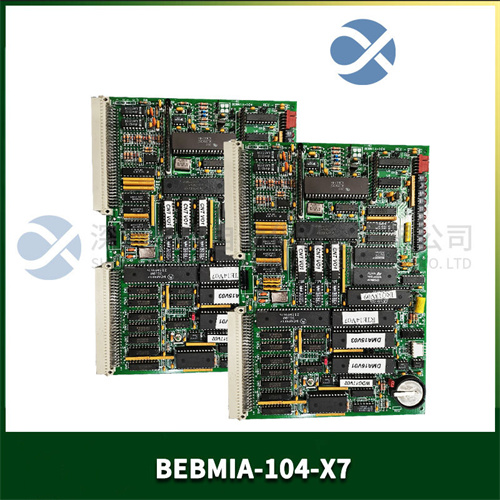 integrated, can be configured either as a simplex or a triple – redundant system, catering to the diverse needs and complexities of associated turbine systems.
This module is engineered to accept 24 group – isolated contact inputs. These inputs have a nominal wetting voltage of 125 V DC, sourced from an external power supply. Among the three versions of the TDBT board, the IS230TDBTH6A stands out as the most powerful one.
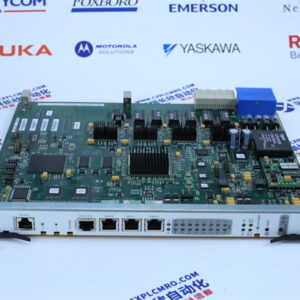
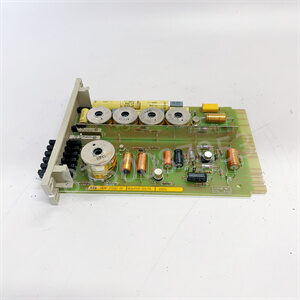
The IS230TDBTH6A features two terminal strips, namely TB1 and TB2, which are positioned on the front edge of the board. The lower portion of the terminal board is equipped with 48 terminals for making contact inputs. Additionally, the board has three female connectors, namely JW1, JW2, and JE1, including one three – position plug and two multi – position plug connectors. On the rear long edge of the board, there are three cable connectors, JR1, JS1, and JT1, placed side – by – side.
Internally, the board is equipped with three lines of four relays. It also contains several lines of metal – oxide varistors, with a total of 49 MOVs. Moreover, the board houses integrated circuits, resistors, capacitors, and diodes. To enhance the quality of input signals, the board is equipped with filters. These filters are designed to reduce high – frequency noise and suppress voltage surges at each input, ensuring reliable operation in noisy industrial environments. Notably, the IS230TDBTH6A has no jumpers or hardware settings, simplifying its installation and configuration process.
The module is encased in a metal frame, which enables DIN – rail mounting. It can be securely attached to the frame using several screw mounts that are threaded through factory – made holes on the board’s surface. This mounting method not only provides a stable connection